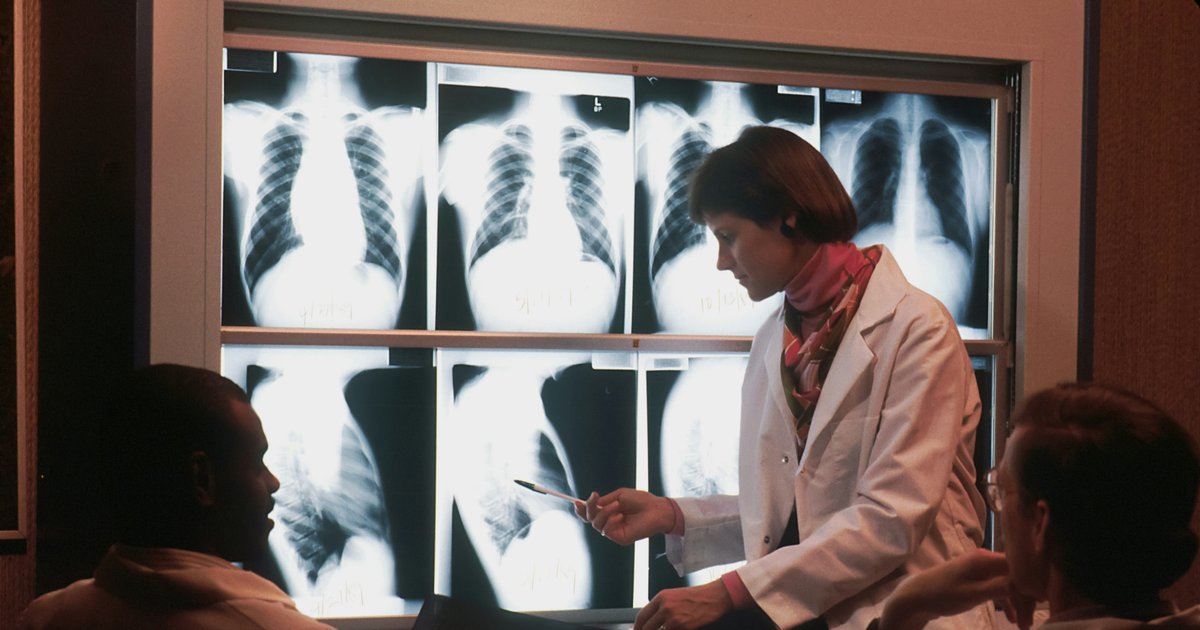
SingHealth, based in Singapore, is partnering with the Royal University of Bhutan to create an AI-driven chest X-ray model specifically designed to enhance the diagnosis of lung infections and cancer in rural hospitals throughout Bhutan.
This initiative was announced by Rahayu Mahzam, Singapore's Minister of State for Health and Communications and Information, during a recent AI conference hosted by the government. The partnership is formalized through a two-year memorandum of understanding with the Gyalpozhing College of Information Technology (GCIT) at the Royal University of Bhutan.
In addition to the chest X-ray model, the collaboration aims to establish guidelines, educational initiatives, and regulatory frameworks that focus on the ethical use of AI in the healthcare sector, specifically addressing the unique needs of Bhutan, as highlighted by the minister.
The AI Office's director and associate professor, Daniel Ting, shared with Healthcare IT News that the foundational medical imaging AI model, MerMED-FM, will be adapted using data from patients in Bhutan. This approach is intended to reflect local disease patterns and demographic characteristics.
The implementation of this tool will occur in Bhutan's Gelephu Mindfulness City Healthcare Hospitals, where it will aid healthcare providers in the faster and more precise identification of lung diseases from chest X-ray images.
A/Prof Ting emphasized that the development of this diagnostic imaging tool aims to address the challenges faced by Bhutanese healthcare providers, especially in rural areas where geographical barriers and a lack of radiological expertise pose significant obstacles. He further stated that SingHealth has found a “natural partner” in GCIT for this project.
MerMED-FM, a product of collaboration between the SingHealth Duke-NUS Academic Medical Centre and A*STAR's Institute of High Performance Computing, is a versatile model capable of analyzing diverse medical images and various disease types.
In a broader context, Minister Mahzam also highlighted a new memorandum of understanding between Singapore General Hospital and A*STAR’s Diagnostics Development Hub, which focuses on translational research projects like PENSIEVE-AI. This AI tool is designed to assist in detecting pre-dementia signs in elderly patients through an innovative drawing test.
Additionally, in Singapore, SingHealth along with NHG Health is implementing AI technologies developed by Lunit for chest X-ray analysis, facilitated by the AimSG program.
The Singapore government has committed approximately $150 million to advance AI technologies within national healthcare projects. These initiatives encompass generative AI aimed at streamlining repetitive tasks and medical imaging AI, with a particular emphasis on improving breast cancer detection processes. The government is also investigating the potential role of autonomous AI applications in healthcare.
Minister Mahzam underscored the importance of establishing a trustworthy ecosystem for AI adoption in healthcare, pointing to the guidelines prepared by the Ministry of Health, including the AI in Healthcare Guidelines and the Model AI Governance Framework. "Trust, in AI and healthcare, is paramount for ensuring patient safety," she concluded.