Anthropic has once again extended access to its Claude Fable 5 model for subscribers, marking its second such announcement in just a week. This move appears to be a strategic response to OpenAI’s recent unveiling of its ChatGPT model, which has been touted as setting a “new standard” in the industry. The launch of Fable has been met with its own challenges, particularly after a contentious relationship with the U.S. government, which halted the release of Anthropic’s Mythos models prior to their availability.
In an update shared on Sunday via X and communicated through emails and support pages, Anthropic revealed that subscribers can use Claude Fable 5 without any additional charges until July 19. This extension follows a previous initiative that started on July 7, granting users the opportunity to allocate 50% of their weekly subscription usage towards Fable. Should users reach these limits, they still have the option to purchase usage credits, which enable payment based on actual use.
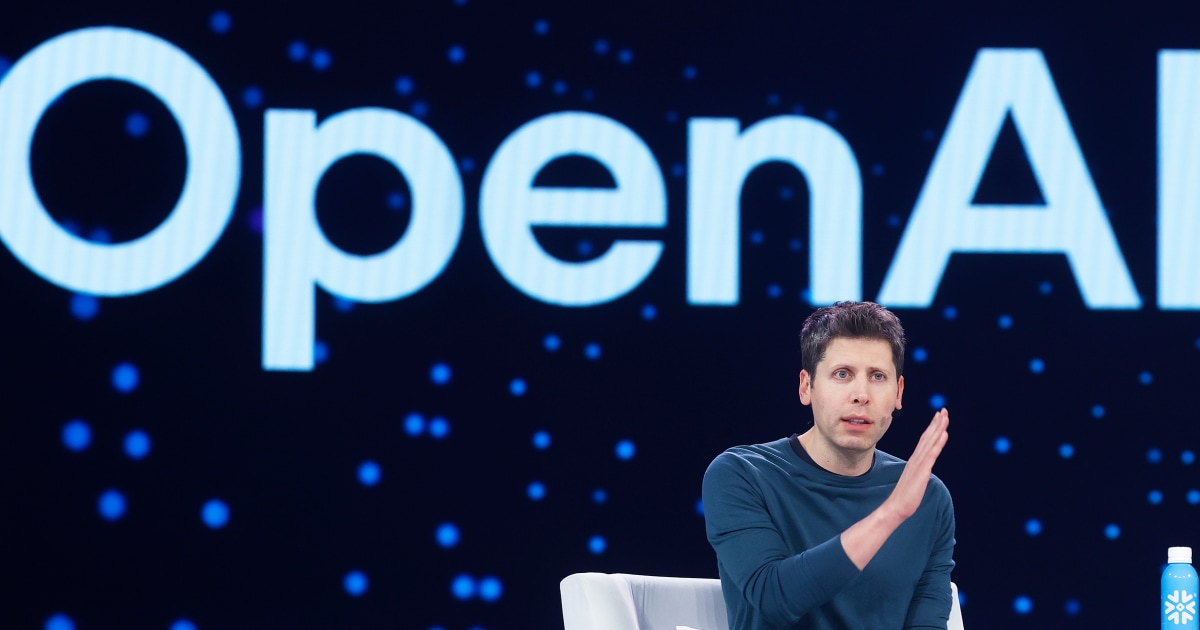
This strategic timing coincides with OpenAI's launch of its new GPT-5.6 model, featuring the flagship Sol, which the company claims outperforms previous models and competitors in areas like coding, knowledge work, and cybersecurity—all at a reduced cost. OpenAI has asserted that its Sol model surpasses Anthropic’s Fable in coding tasks and has criticized its rival for not adequately testing Fable on scientific questions; Anthropic responded by stating that Fable defaults to an older model for many biology and chemistry inquiries.
As for Anthropic’s Mythos model, which Fable is based on but includes additional safety measures, the company has indicated plans to make it more widely available in the future. Currently, access is limited to about 150 organizations across more than 15 countries. Mythos was initially released last month to a select group of partners for defensive cybersecurity use, with Anthropic claiming it can effectively identify and exploit software vulnerabilities beyond the capabilities of all but the most adept human experts.
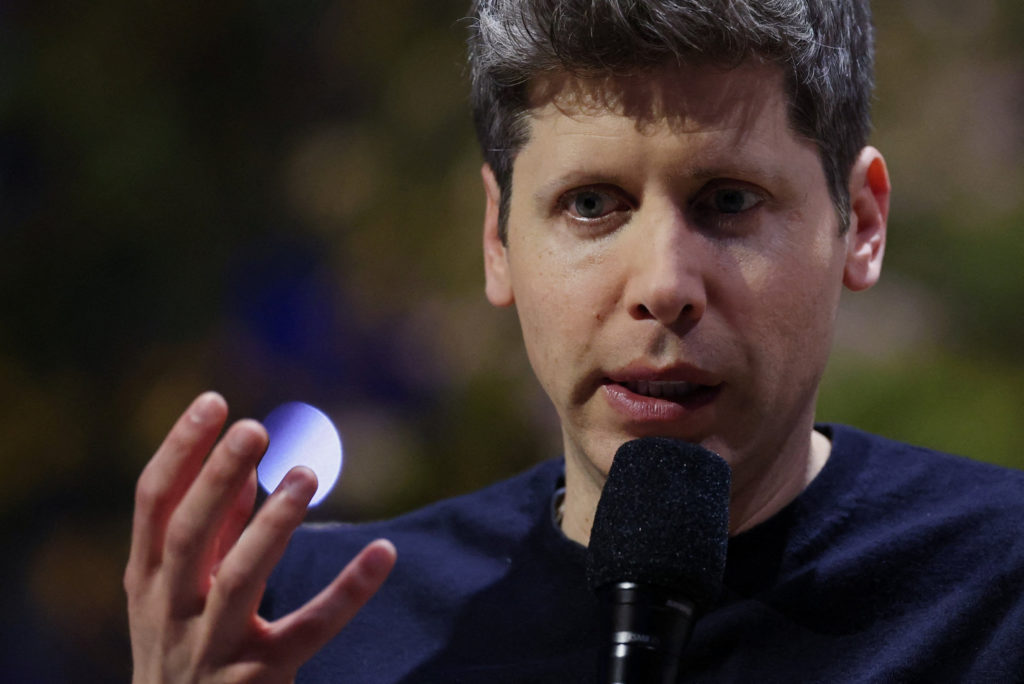
The competition between Anthropic and OpenAI has become more pronounced in recent months. Dario Amodei, CEO of Anthropic, previously stated his departure from OpenAI in 2021 was driven by a lack of trust in Sam Altman, the CEO of OpenAI. This sentiment came after Altman criticized Anthropic for a Super Bowl advertisement, labeling the firm as “clearly dishonest” and “authoritarian,” and asserting that OpenAI had no intention of advertising in the manner implied by Anthropic.
Anthropic originally launched Fable in early June as a more controlled version of the powerful Mythos model, featuring safeguards against inquiries related to cybersecurity, biology, and chemistry that could potentially relate to bioweapons. However, a few days following its debut, the U.S. Commerce Department mandated that Anthropic retract the model after reports surfaced indicating that researchers at Amazon had managed to bypass Fable's safeguards. Although the researchers demonstrated a security vulnerability exploitation, Anthropic has since stated that the method they utilized is now effectively blocked in over 99% of scenarios. This ongoing tension with the government dates back to March when the Pentagon identified the firm as a supply chain risk, stemming from a disagreement over unrestricted access to its models.