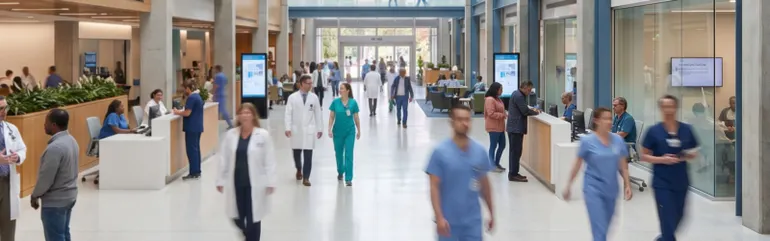
Sheba Medical Center, via its ARC innovation division, has formed a pivotal partnership with OpenAI, granting healthcare professionals at Israel’s largest hospital access to the cutting-edge AI models developed by OpenAI. This initiative positions Sheba as the first hospital outside the United States to participate in OpenAI’s healthcare program, thus gaining unique access to its array of specialized medical AI tools.
According to reports from Calcalist, the agreement was formalized with Nate Gross, the Head of Health at OpenAI. A delegation from Sheba is set to visit OpenAI's headquarters in August for discussions with executives of the company.
The partnership encompasses various healthcare models offered by OpenAI, including ChatGPT Health, which launched in January and is currently accessible only to a select number of hospitals within the U.S. These models are tailor-made for medical professionals, aiming to aid in clinical decision-making and treatment planning grounded in the latest scientific research. Furthermore, the AI system is encrypted and aligns with stringent security protocols essential for healthcare facilities.
As part of this collaboration, Sheba’s physicians will gain exclusive early access to OpenAI's advanced healthcare models prior to their broader release. This partnership also enhances the research collaboration between Sheba and OpenAI, reinforcing their relationship within the healthcare program.
Specialized teams at Sheba will engage in product development, gain insights during the model development phase, participate in OpenAI healthcare events, and create customized applications that leverage the platform. Additionally, Sheba will incorporate its own clinical practices, treatment pathways, and institutional protocols into OpenAI’s models. This will enable responses that adhere to the hospital’s established standards and may eventually lead to tailored recommendations for Israeli clinical practices.
In practical terms, clinicians and researchers will be able to input patient case details and receive comprehensive responses that include pertinent medical literature, references to supporting studies, journal citations, publication dates, and other critical information meant to assist in clinical decision-making. These citations will allow physicians to independently verify the basis for each recommendation.
Moreover, the platform is anticipated to enhance administrative and operational processes, potentially reducing the burden of documentation and streamlining efficiency throughout the hospital.
This initiative is part of Sheba's expanding array of AI-driven healthcare innovations developed through its ARC innovation center. The center has already introduced various solutions, such as Aidoc, which leverages AI to interpret medical images swiftly, and SmartER, an emergency department platform that automates the documentation and summarization of patient interactions.
ARC was founded in 2019 by Sheba's Director General, Prof. Yitshak Kreiss, and Chief Transformation and Innovation Officer, Dr. Eyal Zimlichman. Its mission is to catalyze digital advancements in healthcare, offering a testing ground for new technologies within Sheba and fostering strategic partnerships with healthcare organizations globally, in addition to managing an investment platform in partnership with TriVentures.