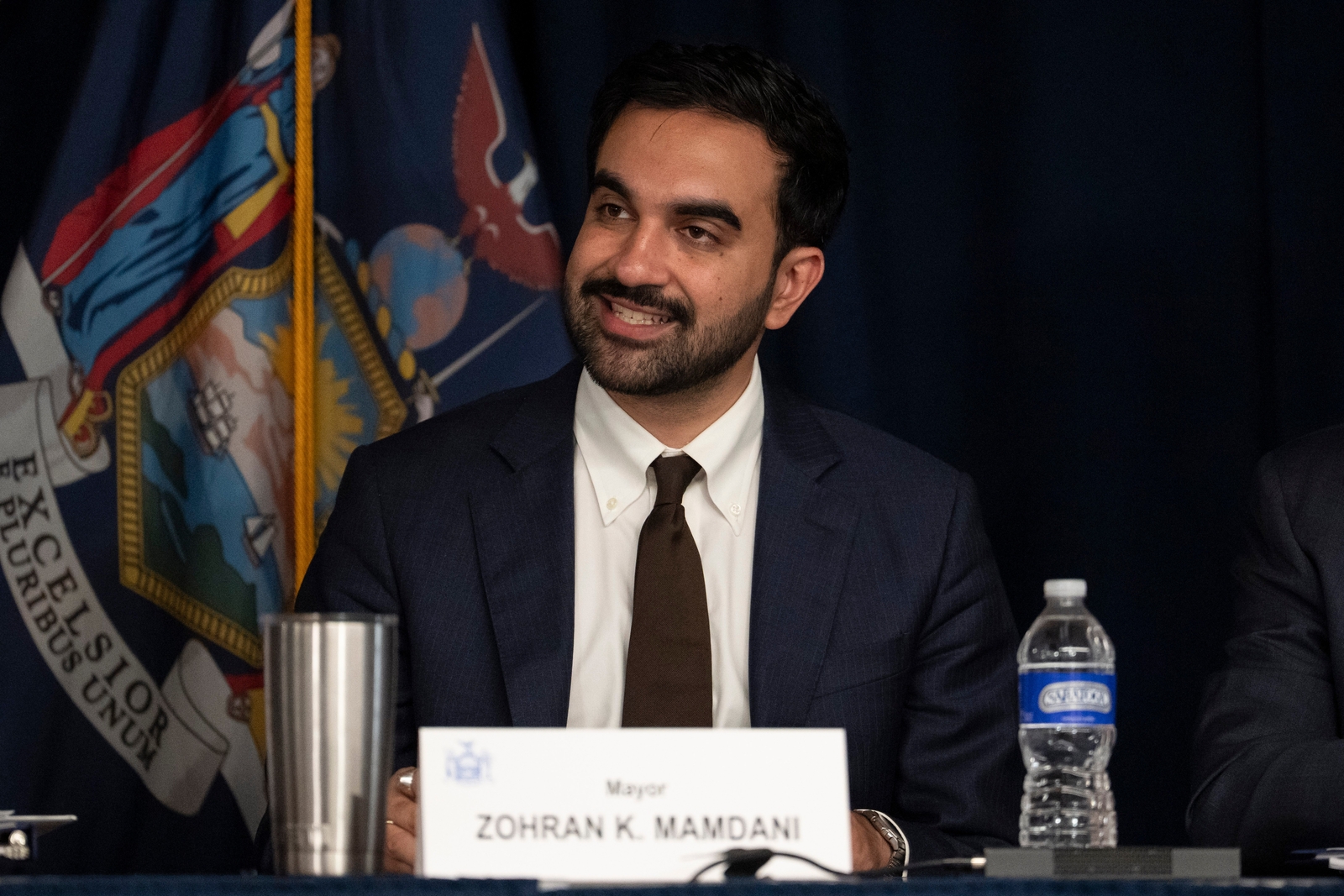
In a significant move, Mayor Zohran Mamdani and Schools Chancellor Kamar Samuels are set to announce a new technology policy that will affect nearly 600,000 public school students in New York City. This policy, recognized as one of the most stringent in the country, will restrict the use of artificial intelligence tools—including chatbots, virtual tutors, and other AI-assisted educational programs—for students up to eighth grade. High school students will be allowed to use AI, but under limited and regulated conditions.
Moreover, the policy aims to decrease the reliance on personal learning devices for younger students. Specifically, preschoolers through second graders will not be permitted to use personal devices during classes. For students in grades 3 to 5, screen time will be capped at 30 minutes daily, while middle school students can use such devices for a maximum of 45 minutes each day.
This notable change in policy comes just ahead of the new school year, scheduled to start on September 10. Teachers will still be able to leverage specific AI tools for tasks like lesson planning, translating materials, and communicating with parents, though the technology will be prohibited for assessing student work, monitoring behavior, providing counseling, and creating special education strategies.
School leaders have been anticipating these guidelines for several months. In July, principals were advised to halt software acquisitions while the policy was being finalized. Earlier guidelines released in March did not address AI restrictions or establish limits on digital devices by grade level.
The initiative is largely a response to rising concerns among parents, educators, and lawmakers about the effects of artificial intelligence and screen time on children’s learning experiences. Advocacy groups for parents have pushed for an AI moratorium in schools, echoed by over half of the City Council, which urged city officials and the Department of Education to reconsider expanded AI use in classrooms.
Michael Mulgrew, president of the United Federation of Teachers (UFT), emphasized the growing anxiety among parents regarding artificial intelligence. He remarked that parents are increasingly worried about potential risks associated with AI, leading to stronger advocacy for protective measures. Mulgrew described AI as “a very dangerous thing” and suggested that schools should refrain from adopting new technologies until they are adequately assessed.
Proponents of the new restrictions contend that many AI-based educational platforms offer limited academic benefits and may lead students to depend heavily on technology rather than engage in critical thinking. Some educational apps have been criticized for resembling video games, which could detract from traditional instructional methods.
These concerns have parallels to the recent bell-to-bell cellphone ban implemented at the beginning of the last school year, driven by a desire among educators and parents to minimize distractions and enhance student focus.
As Mayor Mamdani aptly noted, “The tech industry wants us to believe that AI-powered early education is not only inevitable but necessary. We do not see it that way.” The formal announcement of the policy is set to take place at 10:30 a.m. at the Brooklyn STEAM Center, located in the Brooklyn Navy Yard.