Nvidia is partnering with major financial institutions to facilitate over $500 billion in loans aimed at enhancing AI infrastructure. The U.S. chip manufacturer revealed this partnership on Monday through a preliminary agreement with prominent investors, including Apollo, BlackRock, Blackstone, Brookfield, Goldman Sachs, and KKR.
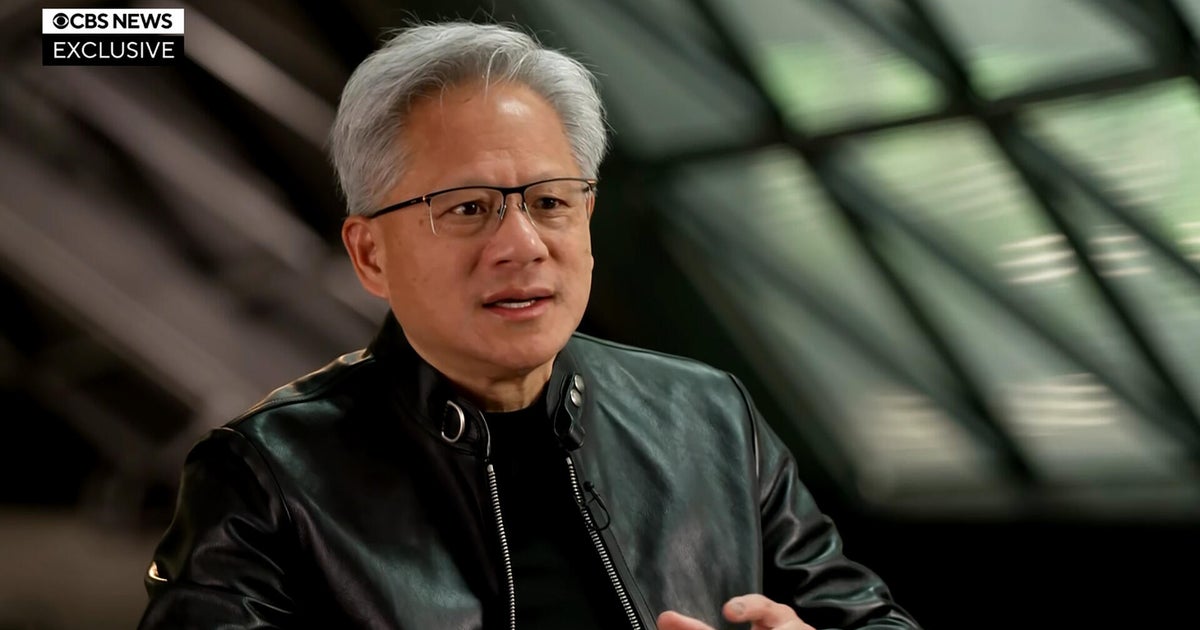
CEO Jensen Huang communicated in a post on X that AI compute—comprising the hardware and software that supports AI models—has evolved into what he considers an "investable asset class," which he likened to "AI factories."
He explained that the landscape is shifting from companies individually purchasing chips and constructing data centers for specific projects to a model where entire AI factories can be financed as essential infrastructure.
This new financing initiative will primarily benefit smaller, emergent AI startups by simplifying their ability to acquire computing resources, essential for developing and training their models.
Apollo President Jim Zelter emphasized the significance of modern computing as a vital asset class with attractive investment qualities.
Positioned at the forefront of the AI surge, Nvidia produces chips and hardware integral to a wide array of tech firms' AI offerings. The company's stock has seen a remarkable increase, having more than quadrupled since the beginning of 2024, bringing its market capitalization to an impressive $5.3 trillion.
However, there are growing concerns among investors about the substantial sums being funneled into the sector and the reliance on debt to finance these investments. The interrelated nature of transactions—where one AI firm invests in another with expectations of product purchases—has led to apprehensions regarding the sustainability of AI demand.
Nigel Green, CEO of the deVere Group, commented on the historical context, stating that semiconductor chips have never been regarded as stable, long-term assets due to their rapid depreciation with each new generation. He cautioned that leveraging chips for institutional lending, akin to real estate or infrastructure projects, is only feasible if these assets maintain their value over time.