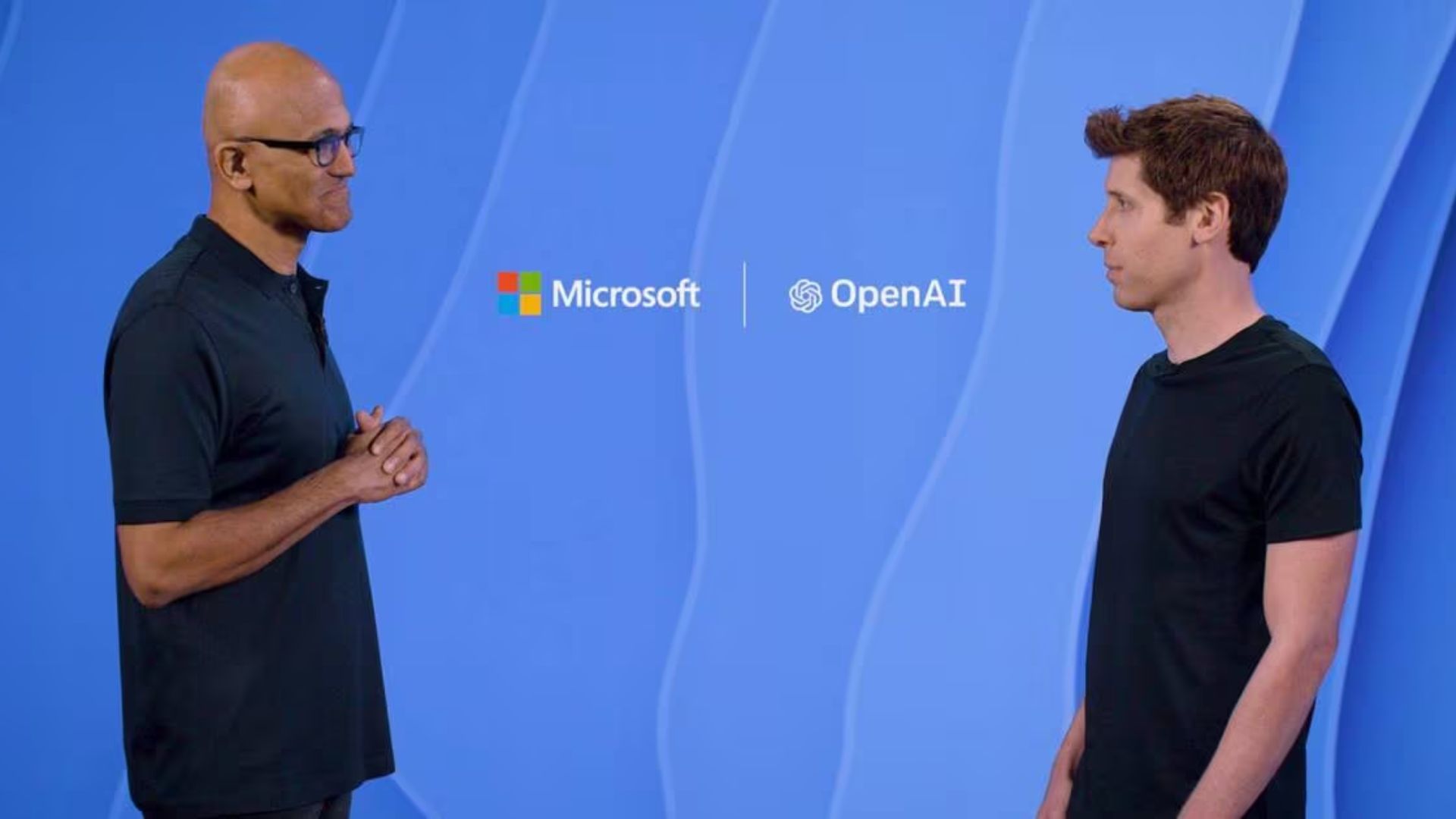
Last week, Microsoft's stock experienced a significant upswing, driven by an accelerating interest in AI technologies, but the situation warrants a closer examination.
Over the course of the last month, Microsoft's share prices have jumped nearly 30% after the company’s quarterly earnings reports surpassed Wall Street's expectations by a wide margin. These results showcased robust growth in Microsoft's AI division, coupled with healthy cash flow, despite substantial investments in new data center infrastructure. Yet, recent analyses have revealed a key underlying issue.
According to Bloomberg, there are some concerning nuances regarding Microsoft's AI revenue potential. Data indicates that approximately 70% of Microsoft's earnings from AI are tied to its collaboration with OpenAI, as outlined in earlier disclosures concerning revenue attributed to OpenAI's growth.
Microsoft detailed that its Copilot feature has garnered millions of paid users within Microsoft 365, experiencing varied adoption across government, public, and private sectors. However, when compared with prior reports, it becomes apparent that the GPU usage and infrastructure costs related to OpenAI still represent about 65% to 70% of Microsoft's total AI revenue. Services like ChatGPT continue to form the backbone of Microsoft's AI endeavors, presenting substantial risks.
While Azure has transformed Microsoft into a formidable force in the tech landscape, there are lingering uncertainties surrounding its AI investments.
On the gaming front, a poor showing from Call of Duty led to an 11% decline in Xbox revenues, prompting significant job cuts. In a stark contrast, OpenAI reportedly incurs losses estimated between $10 billion and $20 billion annually, generating comparatively modest revenues of $2 billion to $5 billion. Microsoft, a key supporter of OpenAI, has invested billions in various forms, helping to sustain the startup. In essence, Microsoft's AI revenues might largely exist as a reflection of OpenAI's operational costs disguised as earnings.
This business model isn't entirely uncharted; Spotify also experienced prolonged losses before turning a profit, illustrating a growth strategy involving heavy investment, rapid scaling, and eventual monetization. Microsoft and OpenAI's financial backers are banking on the vision that one day ChatGPT will dominate the market and become indispensable for users worldwide.
However, what if this prediction doesn't materialize?
What if users gravitate toward competitors like Claude or Gemini instead of ChatGPT? What if increased regulatory scrutiny or shifting public sentiment diminishes interest? The impact of political landscapes could also play a role, potentially swaying policies against new data centers.
Public sentiment around AI still carries a largely negative tone, influenced by concerns regarding the adverse effects of data centers on communities and the ethical implications surrounding theft and degradation of artistic and human-made creations.
The additional disclosures imply that much of Microsoft's AI growth is reliant on training models like ChatGPT. Should OpenAI face setbacks or a slowdown, Microsoft may find itself burdened with billions in invested capital and excessive data center resources.
While there's currently no sign of deceleration—the stock's increase reflects this reality—there are doubts regarding the authenticity of this growth segment.
To mitigate risks, Microsoft is proactively seeking to diversify by creating its own "more efficient" machine learning models for consumer use while enhancing uptake among enterprise clients. The company has also turned its focus back to its traditional consumer platforms, particularly Xbox and Windows. However, these measures may not safeguard Microsoft or its investors if the anticipated "AI bubble" were to burst.
As we observe these developments, it will be fascinating to see how CEO Satya Nadella steers Microsoft through this unparalleled landscape.


