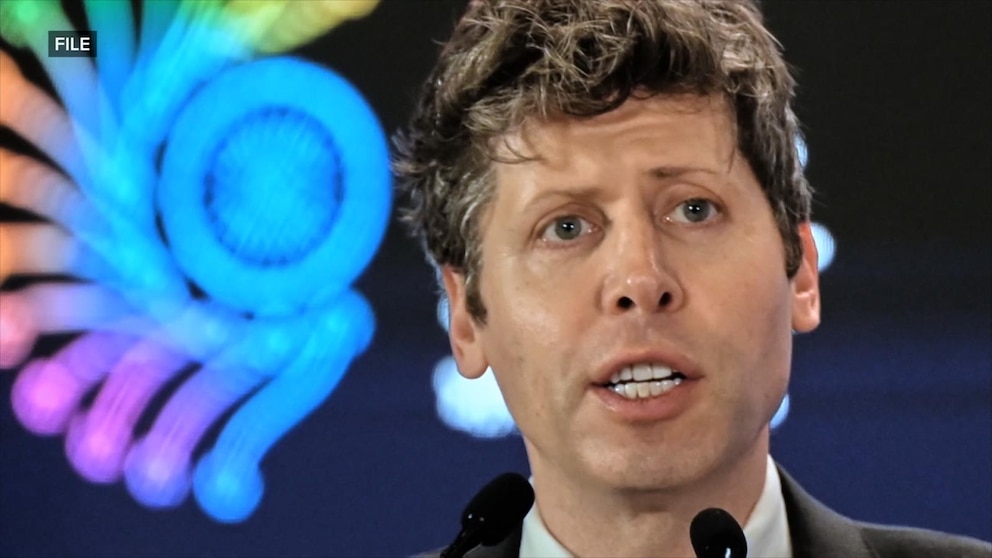
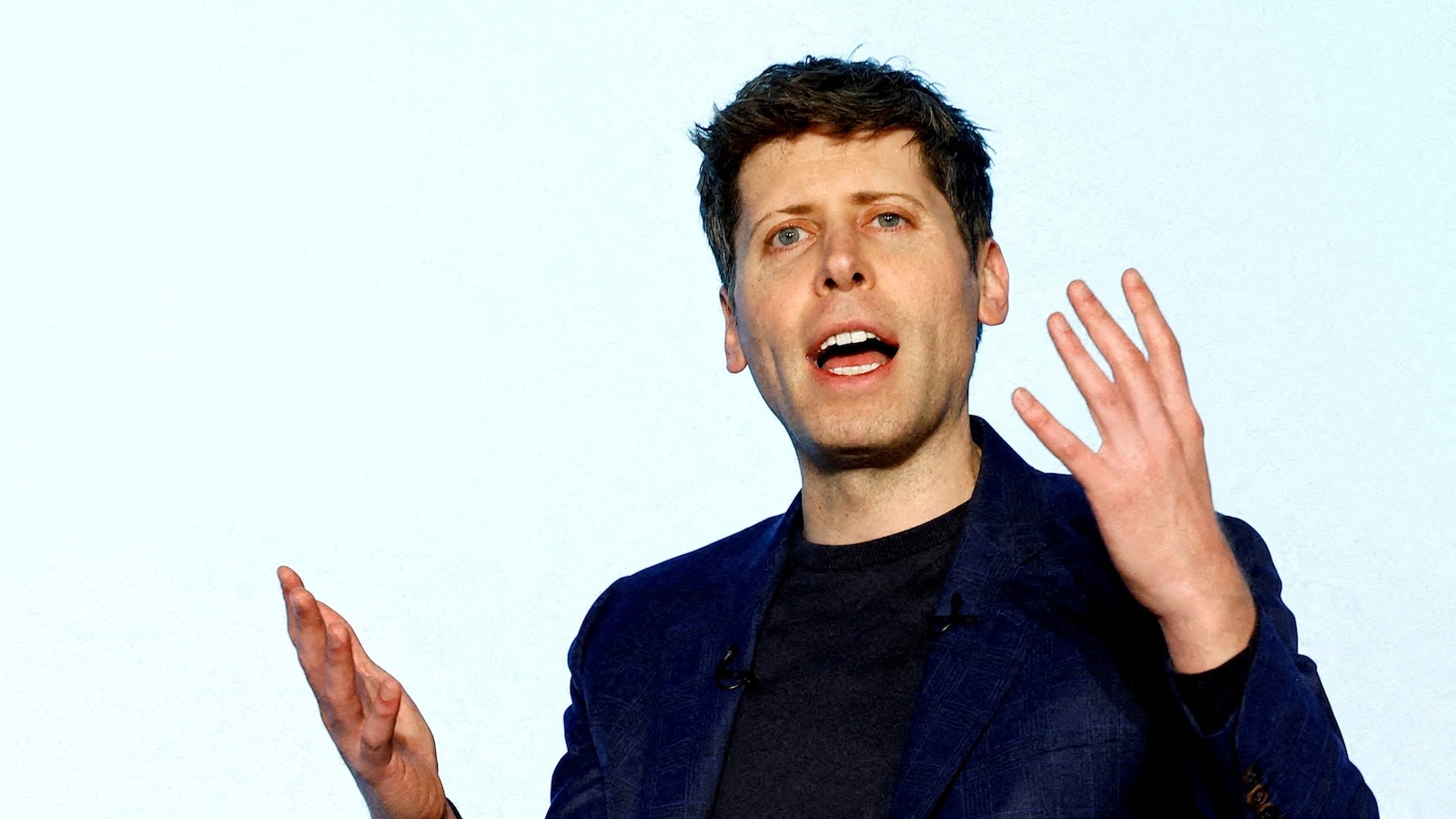
In a recent trial in Oakland, California, a jury quickly ruled against Elon Musk's lawsuit filed against Sam Altman, the CEO of OpenAI. The jury deliberated for under two hours before concluding that Musk had delayed too long in bringing his case, which he initiated in 2024, over their split nearly a decade earlier regarding the direction of OpenAI.
The nine-member advisory jury unanimously determined that Musk's claims were barred by the statute of limitations, a decision that was subsequently upheld by U.S. District Judge Yvonne Gonzalez Rogers, who dismissed the lawsuit. Following the ruling, Judge Gonzalez Rogers stated, "I've always said I would accept the jury's verdict," emphasizing the substantial evidence supporting their conclusions.
This verdict concluded a three-week trial that revealed the complexities and aspirations that brought Musk and Altman together to establish OpenAI 11 years ago, only to see their partnership dissolve over differing visions for the organization. The jury’s decision notably sidestepped the central accusations Musk had made against Altman and co-founder Greg Brockman, alleging a "breach of charitable trust" for straying from OpenAI’s original mission and profiting from its foundational goals—claims they vehemently denied in court.
William Savitt, lead attorney for OpenAI, expressed satisfaction with the jury's swift decision. He characterized the lawsuit as a hypocritical attack aimed at undermining a competitor and dismissed Musk’s longstanding inaccurate predictions about OpenAI's trajectory. Conversely, Musk’s attorney, Marc Toberoff, insisted that the legal battle was far from over, declaring an intention to appeal the verdict.
OpenAI was founded in 2015 as a nonprofit organization dedicated to advancing AI technology for the benefit of society, motivated by the founders’ concerns over the risks of AI concentration in the hands of singular entities. However, by 2017, the founders determined the need for a for-profit subsidiary to attract funding and talent, which led to Musk leaving the board in 2018 after a disagreement regarding control.
In court, Musk asserted that Altman "stole a charity" by prioritizing the for-profit division, which he claimed had become the main focus of OpenAI. However, the opposing legal team argued Musk had initially endorsed the creation of the for-profit arm to secure major investments, asserting that his discontent stemmed from his exclusion rather than a commitment to OpenAI’s original mission. Musk also initiated a separate lawsuit against Microsoft for its substantial financial contributions to OpenAI, totaling $13 billion between 2019 and 2023; that claim was also dismissed.
Musk's legal representatives argued that following the establishment of the for-profit subsidiary, OpenAI treated the nonprofit component as a mere shell, redirecting employees and intellectual property. They contended that after a lucrative $10 billion deal with Microsoft in 2023, OpenAI had abandoned its mission of transparency and safety in favor of benefitting investors.
Despite Musk being a critical early funder of OpenAI—contributing $38 million over several years—OpenAI’s legal team noted that those funds were given without conditions, meaning Musk did not possess a charitable trust to uphold.
The jury’s verdict indicated that they believed Musk was aware of the alleged breaches of trust long before he filed his lawsuit, which could have led to OpenAI and Microsoft paying damages potentially exceeding $150 billion if the suit had succeeded. Musk sought not only financial reparations but also the removal of Altman and Brockman from their roles and the dissolution of the for-profit entity.
As the courtroom exploration of potential legal remedies was interrupted by the ruling, a note from the jury declared their conclusion shortly after deliberations began. Outside the courthouse, some demonstrators held signs criticizing artificial intelligence, underscoring the ongoing societal debate surrounding the rapidly evolving technology landscape.