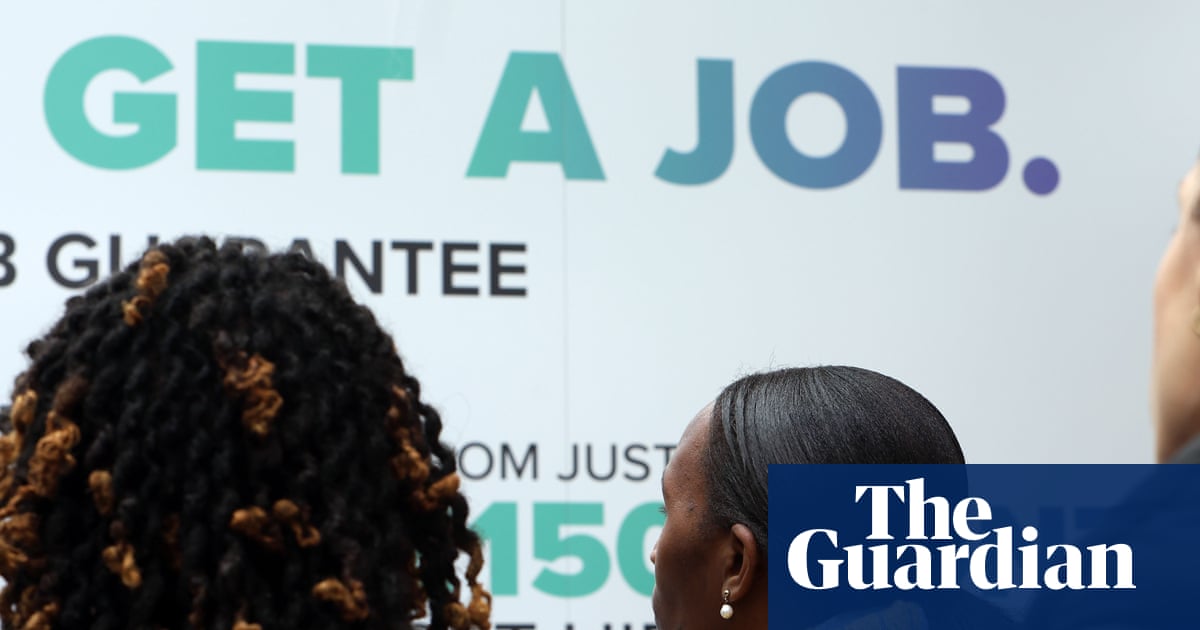
In the UK, young individuals facing unemployment or the threat of job loss are set to participate in “AI boot camps” designed to leverage technology for career opportunities. This initiative is part of the government’s broader strategy to tackle the rising number of NEETs—youths who are not engaged in work or education.
Launching a pilot program in north-west England, the scheme aims to enroll up to 70 participants aged between 16 and 21 for an intensive three-week training course focused on artificial intelligence. The curriculum will cover fundamental aspects such as creating AI tools, understanding business applications of AI, and promoting responsible technology use. Participants will also receive training in essential workplace skills, including office IT proficiency and effective time management.
The government hopes that most participants will secure apprenticeships with local businesses that have partnered in the initiative, including prominent firms like BAE Systems and Heinz.
Lisa Nandy, the secretary for digital, culture, media, and sport, emphasized that this program aims to assist young people at a pivotal time in their lives. The pilot will serve as a testing ground for a wider nationwide AI skills program anticipated to launch next summer.
The boot camp will utilize AI technologies from major U.S. companies, including Microsoft, OpenAI—known for ChatGPT—and Anthropic, the creator of the Claude chatbot.
Bouke Klein Teeselink, an academic from King’s College London specializing in the implications of AI on employment, has expressed that, in principle, the boot camp is a promising concept. "We need to make young workers appealing to employers, and equipping them with AI skills could enhance their productivity," he noted.
Nonetheless, Teeselink voiced concerns about the adequacy of a three-week training period to prepare participants for AI-related roles, suggesting that genuine readiness requires ongoing education and skill enhancement.
Concerns over AI’s potential impact on job prospects have been particularly directed at recent school leavers and graduates, as AI technologies are perceived as capable of handling entry-level tasks typically assigned to new employees. Professions in fields like law, finance, and marketing are seen as especially susceptible to these changes.
This week, Stanford University released findings highlighting a downturn in job opportunities for young workers in sectors heavily influenced by AI, including software engineering and customer service.
Kanishka Narayan, the UK’s AI minister, stated that this initiative aims to equip young individuals with the essential skills needed to succeed in an AI-driven job market, amid growing challenges for youth employment.
Recent statistics, released in May, revealed that the number of young people aged 16 to 24 who are neither employed nor in education has exceeded 1 million for the first time since 2013, hitting 1.01 million between January and March.
An interim report from former Labour minister Alan Milburn, also published in May, cautioned that this number could increase to one in six by 2031, warning of the risk of fostering a “lost generation” ill-equipped for the workforce.
Last month, Andy Burnham pledged to reduce the NEET figure but refrained from establishing a specific target for this goal.


