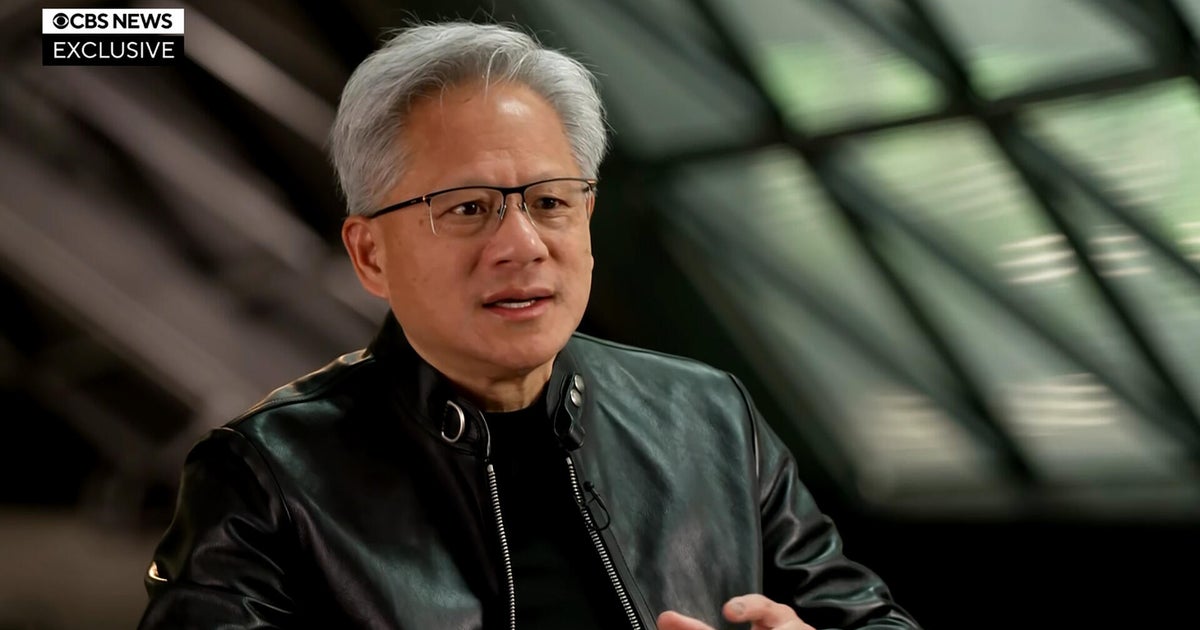
On June 5, 2026, Nvidia CEO Jensen Huang engaged with reporters outside a restaurant in Seoul’s vibrant Hongdae district. Huang has propelled Nvidia to become the most valuable company globally by innovating specialized chips that fuel the artificial intelligence revolution.
To sustain his ambitious vision, Huang is now embarking on a novel strategy: persuading Wall Street investors to view these chips as long-term financial assets, comparable to commercial real estate or toll roads.
His strategy heavily relies on outpacing advancements in AI from China.
This week, Nvidia announced partnerships with six prominent asset management firms—BlackRock, Blackstone, Apollo, KKR, Brookfield, and Goldman Sachs. Their collective aim: to create a robust $500 billion financing pipeline dedicated to the development of data centers and GPU clusters for companies that may not have the financial standing to purchase these expensive semiconductor products directly.
During a CNBC appearance, where he was joined by the leaders of these investment firms, Huang emphasized a critical assumption underlying his plan: that Nvidia's graphics processing units (GPUs) will maintain their value over time, acting more like stable assets than rapidly depreciating consumer electronics.
"Nvidia's AI factory platform represents an investable asset and a key piece of infrastructure," Huang stated. He elaborated that this is due to its productivity, revenue-generating potential, and widespread usage—essential for nearly every cloud service provider and capable of supporting any AI model.
In a typical asset-backed financing scenario, financial institutions extend loans based on the understanding that they can reclaim and liquidate the asset in case of default—think buildings, warehouses, or cargo ships—which have well-established secondary markets and can endure for years.
However, the longevity and value retention of advanced GPUs remain uncertain.
While new chips are integral to cutting-edge model training, they often transition to less lucrative inference tasks after a few years, a change that can significantly affect their resale value and collateral standing.
"Depreciation is the main concern here," noted Ben Emons, the founder of FedWatch Advisors, who previously crafted similar asset-backed loans at IndyMac and later served as a portfolio manager at Pimco. Emons warned that Nvidia's chips "might depreciate more quickly than anticipated."