Instacart, the prominent grocery technology leader in the U.S., is set to acquire Israeli startup Arpalus, a firm known for its innovative artificial intelligence and computer vision solutions aimed at enhancing visibility on supermarket shelves. While the financial terms of the acquisition remain undisclosed, industry estimates suggest the deal is valued in the tens of millions. This acquisition represents Instacart’s first venture into the Israeli tech market.
Arpalus tackles a significant challenge prevalent in online grocery shopping: the discrepancy between the inventory that retailers present digitally and what is truly available on store shelves. Inaccurate or missing inventory data often frustrates customers, leading to substitutions, canceled orders, and waning trust in online grocery services.
Established in 2019 by Ofir Zilberberg, who has a background in the Israeli Air Force and Elbit Systems, alongside Dr. Rotem Bennet, an expert in computer vision formerly associated with Microsoft Research, Arpalus has developed sophisticated AI models that analyze supermarket shelves in real time. The startup, which emerged from the Nielsen Innovate incubator, operates out of Netanya and employs around 20 individuals.
Since its inception, Arpalus has successfully raised about $5 million from various investors, including the Israel Innovation Authority, True Global Ventures, Duo Partners Fund, and the Techstars Accelerator, as well as private stakeholders from the retail sector.
The core technology of Arpalus is capable of transforming a brief video scan of a store shelf into a comprehensive digital overview of available products. Designed to tackle the unique challenges faced in grocery retail, such as variable lighting, unreliable Wi-Fi, and densely packed merchandise, Arpalus claims its system can recognize individual items with an impressive 95% accuracy on average.
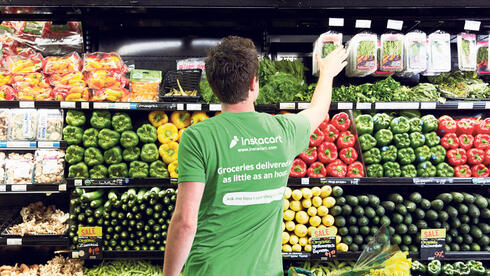
This technology is compatible with standard smartphones and other camera-equipped devices. Post-acquisition, Instacart aims to leverage its network of around 600,000 shoppers to scale shelf intelligence across the platform. While fulfilling customer orders, these shoppers will have the capability to scan the shelves via the Instacart app, thereby providing a more precise and continually updated inventory of product availability.
The acquired data will be incorporated into Instacart’s extensive retail technology framework, enhancing the reliability of online grocery orders while also bolstering in-store solutions like smart carts and computer vision applications.
Instacart has stated that Arpalus’ technology will enhance its existing retail intelligence capabilities, which rely on insights garnered from over 1.6 billion orders and real-time inventory data from nearly 100,000 stores across North America, in addition to more than 10 million daily data points generated from shopper activities.
This acquisition reflects Instacart's strategic transition from being primarily a grocery delivery service to a tech-driven retail company focused on artificial intelligence, data analytics, and automation. The company has been investing in solutions that bridge the gap between physical stores and the digital shopping experience, as evidenced by its innovations like Caper smart carts and the Store View technology that helps retailers track shelf availability.
Founded in 2012 and based in San Francisco, Instacart went public on the Nasdaq in 2023 and currently holds a market valuation of around $11 billion. It connects approximately 1,800 retail chains with hundreds of thousands of shoppers and consumers throughout the United States and Canada.