In the face of rapidly evolving technology, Rep. Riley Moore, a former welder from West Virginia, champions the potential benefits of artificial intelligence (AI) for blue-collar workers instead of viewing it solely as a threat. Moore, whose background is deeply rooted in manufacturing and mining, believes that AI could enhance worker safety and productivity rather than displace them entirely.
As part of his advocacy, Moore has engaged with labor organizations, including the Teamsters, discussing the swift introduction of AI into the workforce and the government's role amidst economic and security concerns. "I began my career as a welder, coming from a family of welders," he shared in an interview with Fox News Digital. "AI offers tremendous opportunities for advancement in manufacturing, though it also poses significant risks to traditional jobs."
Representing a state where mining and manufacturing remain pivotal, Moore sees AI as a potential "force-multiplier" for labor. He emphasizes looking at the positive aspects of AI development, suggesting that if the technology can enhance manual labor rather than replace it, it could revolutionize the economy and improve conditions for workers.
Moore believes AI could prolong workers' careers, improve job safety, and enhance efficiency, which could, in turn, lead to better compensation in America. However, he also recognizes the downside: "AI could act as a nuclear weapon against work, threatening to eliminate jobs and diminish the sense of purpose that work brings to people's lives."
His district includes vital transportation routes like Interstates 79 and 81, and he recently aided in the opening of the Trans-Allegheny U.S. 48. He pointed out that while the trucking industry, often unionized, could gain advantages from AI, fully automated trucks pose a threat to employment. "I oppose automated trucking but support using AI to improve safety and productivity for drivers," Moore stated, proposing that AI could serve as a "co-pilot" to minimize risks associated with human error.
Concerns regarding the impact of AI on the dignity of work are echoed by religious leaders. Moore referenced Pope Leo XIV’s teachings, highlighting the importance of striving to be like Nehemiah, who rebuilt Jerusalem, rather than falling into the chaos symbolized by the Tower of Babel.
Further demonstrating his commitment to labor issues, Moore has engaged with the Teamsters as they assess how AI could affect their members. While a Teamster spokesperson acknowledged Moore's participation, they refrained from additional remarks.
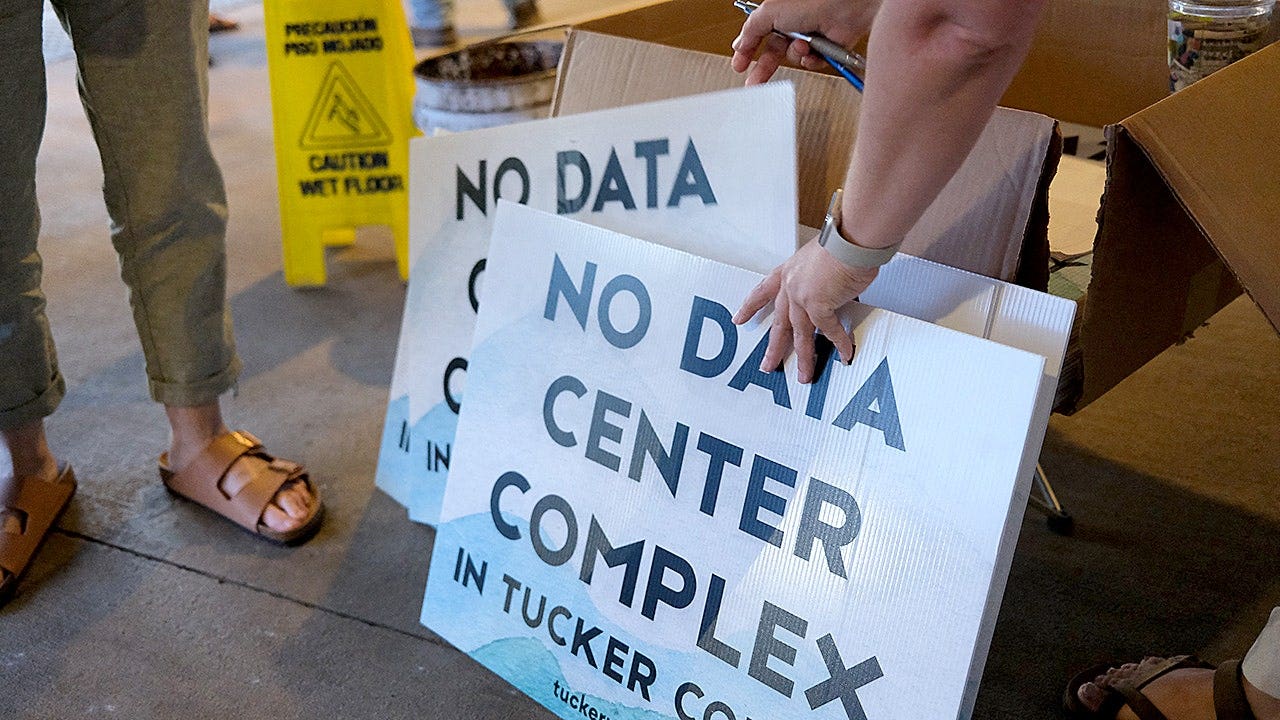
The conversation around AI also intersects with national security and competitiveness, as maintaining U.S. leadership in the technology sector is crucial to countering China's advancements. Discussions about the data centers driving AI development, particularly in Moore's district, remain contentious. Residents in areas close to Washington, D.C., as well as in the high-altitude regions of Tucker County, are split on the proliferation of these facilities.
Moore stressed key considerations regarding energy production, water use, and community involvement in decisions related to data centers. He underscored a belief in federalism that allows localities to determine whether they want such infrastructure in their neighborhoods. The ongoing debate focuses on balancing the potential tax revenue from data centers with the concerns of local communities.


