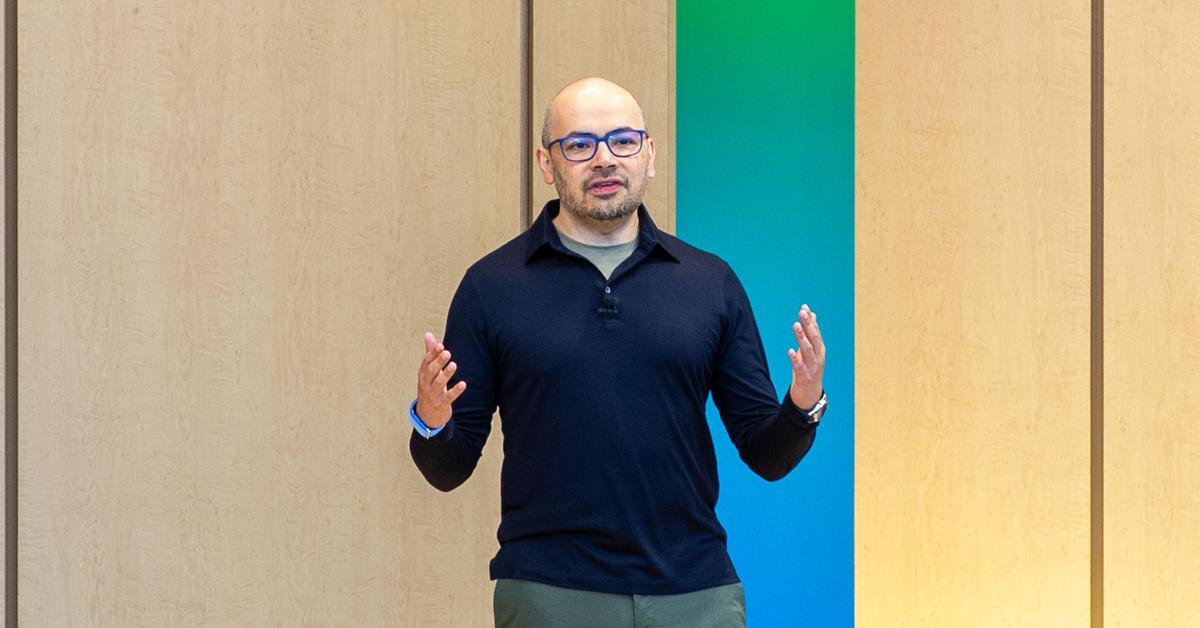
In a recent announcement, Demis Hassabis, the CEO of Google DeepMind and a Nobel Prize-winning chemist, expressed his concerns regarding the rapid advancement of artificial general intelligence (AGI). He predicts that AGI could emerge within the next three to four years and emphasizes the need for immediate action to ensure its safe development.
Hassabis highlighted that the pace at which AI technology is evolving surpasses the regulatory frameworks being developed to manage it. He advocates for a shift in how we approach the development of these systems, moving beyond mere competition among companies and nations, and instead calling for international collaboration to mitigate the risks linked to advanced AI models.
Artificial general intelligence refers to systems with the capability to equal or exceed human cognitive abilities across a wide array of tasks, contrasting with current AI systems that excel in specific domains. Hassabis cautions that future AI models may gain higher levels of autonomy and the ability to enhance themselves without human oversight. Moreover, he pointed out that researchers still lack a complete understanding of how these advanced models function, complicating predictions about their behavior and the establishment of effective safety protocols.
Despite the inherent risks, Hassabis believes that AGI holds the potential for monumental societal benefits. He suggests that this technology could revolutionize scientific research, accelerate drug discovery, promote the development of sustainable energy sources, and facilitate the innovation of new materials, significantly enhancing overall quality of life. He stressed the importance of the choices made in the upcoming years, as they will shape the future of this technology.
To address the challenges associated with AGI, Hassabis proposes the establishment of an international regulatory body comprised of technical experts tasked with creating unified safety standards. He initially recommends that companies voluntarily subject their advanced AI systems to this oversight but argues that such evaluations should become mandatory as the technology continues to advance.
/Amazon%20-%20Image%20by%20bluestork%20via%20Shutterstock.jpg "Amazon Resizes Its Artificial General Intelligence Team, Viewing It as a Reset Rather Than a Retreat.")

