In a vibrant showroom in Guangzhou, Zhang Jianxin observes customers enthusiastically fist-bumping with a sleek, twirling humanoid robot. As the technical director of AgiBot, a leading Chinese robotics company, he enthusiastically declares, "This is the future," while gesturing towards the 4-foot-tall robotic figure, advertised as friendly, agile, and intelligent. He then points to a less impressive-looking floor-cleaning bot resembling a wastebasket, indicating, “This is right now.”
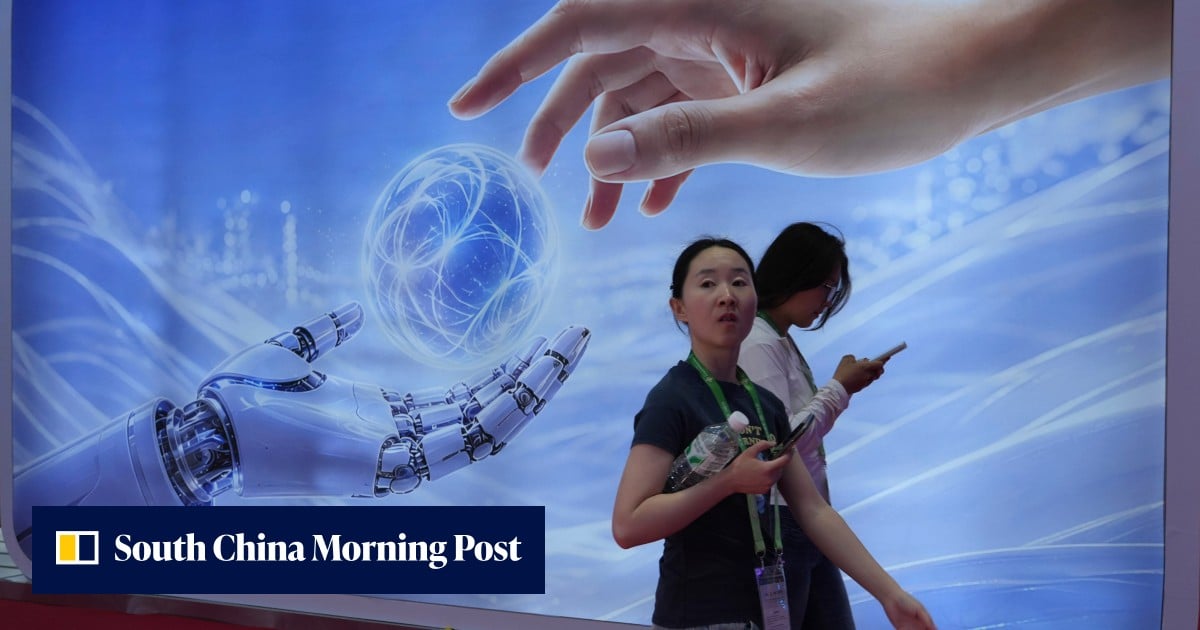
In the race towards "artificial general intelligence" (AGI)—a form of AI capable of matching or exceeding human performance across tasks—China aims to gain an advantage through the development of humanoid robots. This initiative is emblematic of China's broader strategy, which prioritizes “embodied AI.” The philosophy posits that integrating AI with physical robots, drones, and vehicles allows for richer interactions with the world, leading to a more comprehensive form of intelligence. This contrasts with approaches in the U.S. and Europe, which mainly depend on large language models drawing from extensive text datasets for AGI attempts.
According to William Hannas, the lead analyst at the Center for Security and Emerging Technologies at Georgetown University, “China believes progress is limited when dealing only with abstract concepts like language.” The country has established a strong foothold in the humanoid robot market, with around 140 manufacturers controlling over 90% of global sales. Projections from Morgan Stanley indicate shipments could surge from about 13,000 units last year to an anticipated 50,000 this year.
This burgeoning industry sees significant domestic demand in China, with manufacturers like AgiBot leading the charge. Zhang's company reported a staggering shipment of 9,700 humanoid robots in the first half of the year, more than any competitor. However, he acknowledges significant room for growth, noting, “We need improvements in AI technology. The hardware is good, but the software still isn’t there.”
Within the headquarters of UBTech Robotics, another major player in the field, a humanoid robot demonstrates its capabilities by picking up and placing boxes on a shelf. Currently achieving only 30% of a human’s efficiency, they're aiming for 50% this year, with every box contributing valuable data back into the system. Michael Tam, UBTech’s chief brand officer, emphasizes the significance of this data for advancing humanoid robotics, highlighting that increased deployment across sectors will yield the necessary insights to enhance AI capabilities.
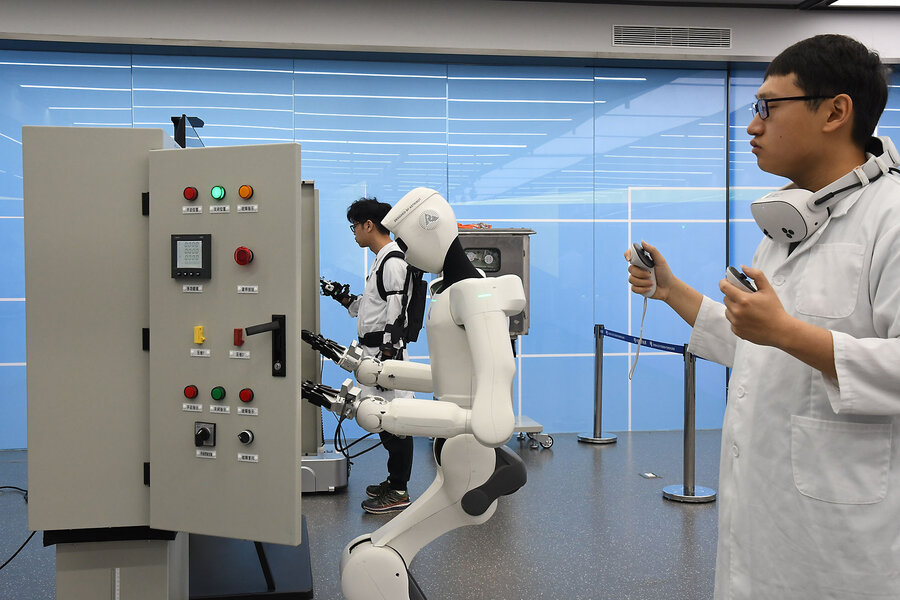
The Chinese government is actively backing this development, having issued directives for local authorities and state-owned enterprises to adopt embodied AI across various industries. This initiative is accompanied by the establishment of “data collection factories” to strengthen AI models—facilities where human workers utilize technology to guide robots in defined tasks to collect crucial data for manufacturers.
While the strategy is promising, challenges persist. Notably, the U.S. has imposed a ban on imports of new humanoid and quadruped robots from China, citing national security issues. Analysts like Alan Fern from Oregon State University note that despite China’s robust funding in the sector, many companies face sustainability challenges due to potential overproduction and intense price competition. He describes the current business model for humanoid robots as “based on hope” but remains optimistic about the potential for breakthroughs if advancements continue. The trajectory of China's humanoid robotics could very well redefine the landscape of artificial intelligence in the coming years.