The upcoming installment of the acclaimed series, narrated by David Attenborough, takes a fresh approach by incorporating cloudier and less polished footage to combat the prevalence of AI-generated content and reinforce its authenticity, according to the show's producers.
Nearly ten years since Blue Planet II highlighted the critical issue of plastic pollution and 25 years following the debut of the original Blue Planet, the BBC series is set to return, bringing viewers deeper insights into animal behavior coupled with state-of-the-art technology. Among the innovations featured is the world’s first underwater CCTV camera, nicknamed the “stonefish” cam.
Advancements in television and camera technology have provided audiences with increasingly sharp and high-definition images. However, given the rise of AI and the remarkable sequences captured by the BBC's natural history unit, producers opted to incorporate what they describe as “organic” footage, showcasing less polished shots to ensure viewers understand that the creatures presented are indeed real.
Jack Bootle, head of BBC’s specialist factual commissioning, confirmed at a recent press screening, “No generative AI was utilized in this series. Not a single frame. It’s entirely authentic photography.”
Executive producer Elizabeth White emphasized that the presence of AI has prompted a deeper commitment to authenticity, stating, “The creatures filmed in the deep ocean are likely more extraordinary than any AI could conjure up, and it’s all genuine.”
Historically, factors such as the amount of plankton in the water often meant certain scenes were omitted, and conditions like the presence of boats or buoys could lead to framing adjustments. Now, the philosophy is shifting towards embracing these elements—“We’re really leaning into authenticity… As AI technology progresses, we’ll likely continue to favor organic, less refined footage.”
The series will showcase innovative behaviors previously unseen, such as dolphins utilizing sea sponges to cover coral holes during fish hunts, captured through the newly designed underwater CCTV—a brainchild of producer and director Yoland Bosiger.
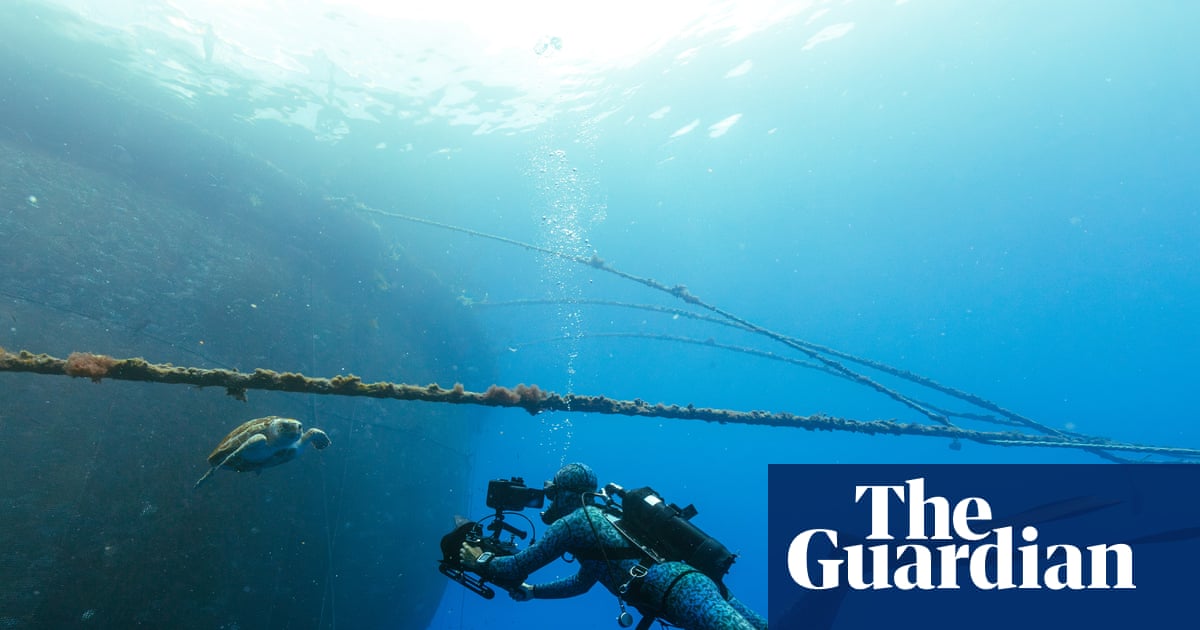
Throughout the four years of filming across five oceans, BBC Studios has continuously pushed the envelope, developing novel equipment such as a “mini-dome” camera to shadow octopuses, a “deep-sea selfie stick,” and using legs-mounted scooters for TikTok-style immersive diving shoots. Lasers have also been employed to film deep-sea life.
Other fascinating behaviors captured include groupers communicating with different fish species, a stunning sight of 200,000 crabs aligning to feed, sea urchins fashioning shells as sun hats, and captivating penguin footage reminiscent of the memorable ‘iguana versus snakes’ scene from Planet Earth II.
This series also addresses the ocean's threats and resilience. Episodes will reveal how climate change is impacting the habitats of anemone clownfish, illustrating their attempts to restore their environments, as well as revisiting the issue of plastic pollution introduced in Blue Planet II, with stories addressing pollutants and persistent chemicals.
Bosiger mentioned that Attenborough, now 100, remained actively involved in the process and even offered script revisions during production. White reflected on his enduring curiosity, noting, “He’s still that inquisitive little boy who experiences excitement when presented with new footage.”
When approached regarding the potential impact of the BBC's £500 million cost-cutting measures on the organization’s esteemed reputation for natural history content, White refrained from specific comments but highlighted that Blue Planet III achieved savings by utilizing more local crews for on-location shoots than previous series.