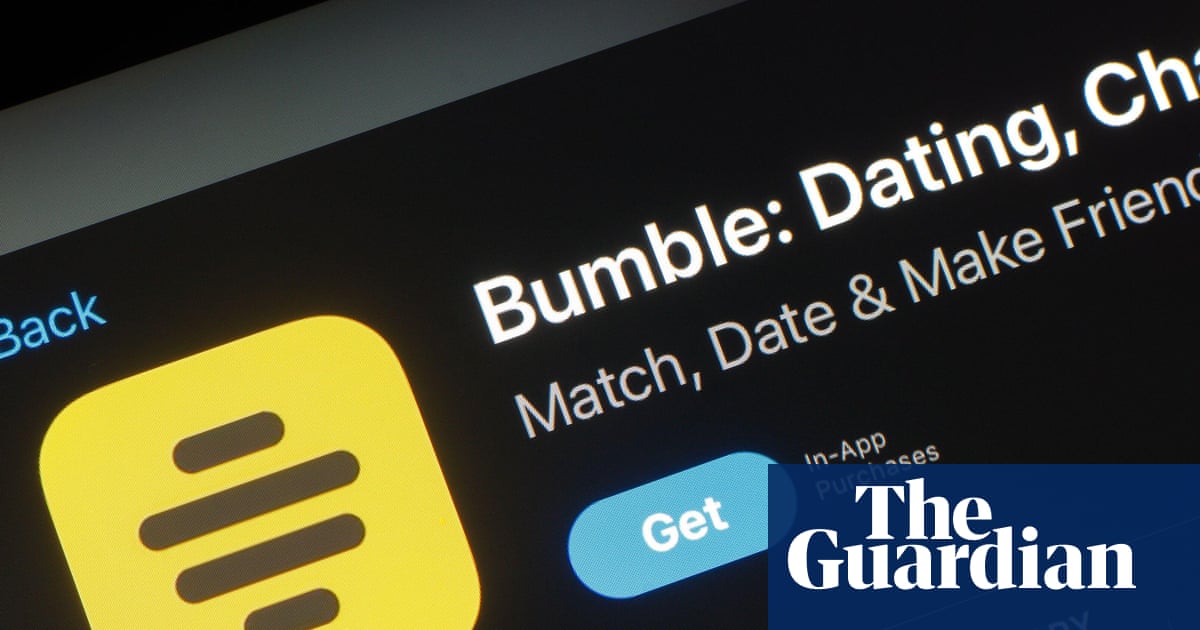
Bumble launched in 2014 with a revolutionary approach to online dating. It promised a unique experience by putting women in charge; when they matched with a man, they had to make the first move. This rule aimed to create a safer and less intimidating environment for women, empowering them to dictate the conversation's initiation.
However, this week, Bumble decided to scrap that initial principle.
This shift comes after the rollout of Opening Moves, which had already blurred the lines of the original guideline, and it coincides with Bumble's plans to abandon another prominent feature: the swipe mechanism.
The company asserts that it is adapting to the evolving behaviors of users and aims to foster deeper connections. Yet, there’s another perspective on these changes.
Bumble was established to counteract Tinder’s perceived chaotic hookup scenario by empowering women in the dating landscape. Now, it appears to be dismantling those foundational aspects. Bumble isn't the only platform making waves in the dating app sector; the entire industry is quietly reevaluating the swipe-and-match model that revolutionized the way singles connect, as companies embrace artificial intelligence for their future paths.
“Bumble is currently in a salvage mode,” notes Luke Brunning, a philosopher specializing in technology and relationship ethics. “The company has undergone significant layoffs and restructuring in response to dwindling revenue, and this bold pivot may indicate it is searching for a new way to sustain its operations.”
Over the past year, Bumble has experienced a significant drop in its paying user base, and its stock prices continue to face pressures. The company has already reduced its workforce by around 30%.
“It will be interesting to see whether Bumble can navigate through these challenges,” Brunning adds. “They are not isolated in this struggle; many major players in the industry are similarly trying to redefine their offerings in a market that appears increasingly disenchanted with traditional services.”
Research indicates that many users now approach dating apps with reluctance, feeling compelled to use them rather than embracing the enthusiasm they once sparked.
The global online dating sector, valued at nearly £10 billion, is acutely aware of this sentiment and is pivoting towards integrating artificial intelligence into its frameworks.
Grindr is leading the charge as it shifts towards becoming an “AI-first” platform. Tinder is experimenting with Chemistry—an AI-driven feature aimed at alleviating “swipe fatigue.” Meanwhile, Bumble is developing an AI-powered matchmaking tool known as Bee.
Several emerging startups are even moving away from the swiping concept altogether. For example, Fate, a London-based app, classifies itself as an “agentic AI dating app,” where users engage in conversations with AI to express their relationship preferences and find compatible matches.
So, why is there less excitement about the dawning era of AI-enhanced dating apps, and more concern over the future viability of these platforms?
Adam Peacock, a researcher focused on technology and relationships, believes the industry is misinterpreting user concerns.
“There’s a growing cultural resistance to allowing AI into our intimate spheres, coupled with worries about the influence of an AI on our conversations,” he explains.
Particularly among Gen Z, there's a skepticism about whether dating apps are designed for meaningful connections, or if they are instead manipulated for profit by keeping users engaged and lonely.
“The dating industry has transformed intimacy into a tremendous data resource,” Peacock observes, noting that apps can glean insights about users' locations, appearances, attractions, conversations, and behaviors.
Elsa Kugelberg, a philosopher studying gender and relationships, argues that while online dating has woven itself into modern society, it is possible that the first generation of apps—characterized by profiles, swipes, matches, and messages—might be nearing their conclusion.
Peacock posits that dating apps could evolve into more comprehensive platforms, resembling lifestyle products or social media tools rather than solely focusing on dating.
The real challenge remains: will any new versions of these apps lead to an improved user experience, or will enhanced AI just serve as a temporary cover over a fatigued model?
Brunning contends that AI integrated into dating platforms need not follow this pattern. “Digital interactions can be improved without giving users AI tools to communicate with each other,” he argues.
He emphasizes the necessity for better moderation, clearer guidelines, enhanced self-presentation options, and greater user control over their environment—these enhancements could revitalize online dating without increasing reliance on artificial intelligence.
Crucially, he concludes: “You can't simply apply AI to an outdated product and expect it to succeed because of it.”