In a significant move for the tech landscape, Pope Leo XIV, the first pope from the United States, released his inaugural encyclical titled *Magnifica Humanitas*, translating to "Magnificent Humanity," on Monday. This extensive 42,300-word document serves as a thoughtful prompt for the tech sector to reconsider its approach, emphasizing the importance of prioritizing human values over machine capabilities.
While acknowledging the potential benefits of artificial intelligence, the pope cautioned that such technologies often exacerbate existing inequalities by favoring those who already have wealth, knowledge, and access to vast data. He highlighted the dangers posed by a lack of oversight and transparency in AI development, warning that those in control could impose their own ethical frameworks, effectively shaping the unseen parameters of these systems.
Pope Leo XIV expressed that simply having a more ethical AI is not sufficient if the moral compass guiding its design is dictated by a select few. This message resonates with concerns about accountability and inclusivity in technological advancements.
The encyclical is anticipated to be a pivotal aspect of the pontiff's papacy, reminiscent of Pope Leo XIII's *Rerum Novarum*, which championed workers' rights and fair wages in the late 19th century. Released during a period of relative quiet in Silicon Valley, *Magnifica Humanitas* seeks to influence and potentially moderate the rapid growth of AI technologies.
Recently, former President Trump nearly enacted legislation that would enable the federal government to assess AI models prior to their public introduction but ultimately decided against it. On the same day, California Governor Gavin Newsom approved a measure aimed at investigating the implications of AI on employment, reflecting the state’s recognition of potential disruptions. Additionally, tech mogul Elon Musk attempted a legal maneuver against OpenAI—a leading player in AI development—yet faced setbacks this month due to technical legalities.
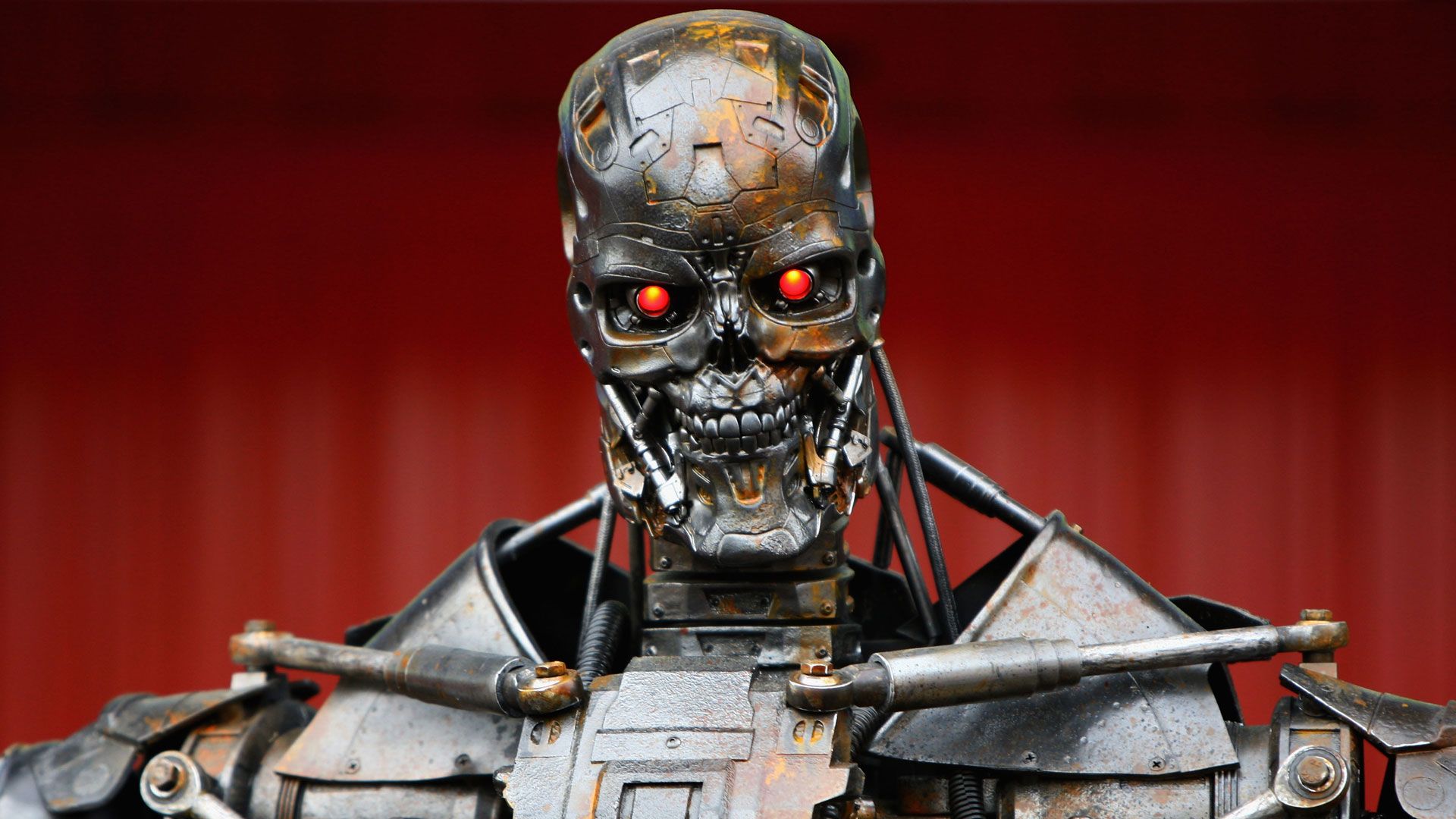

/Amazon%20-%20Image%20by%20bluestork%20via%20Shutterstock.jpg "Amazon Resizes Its Artificial General Intelligence Team, Viewing It as a Reset Rather Than a Retreat.")
