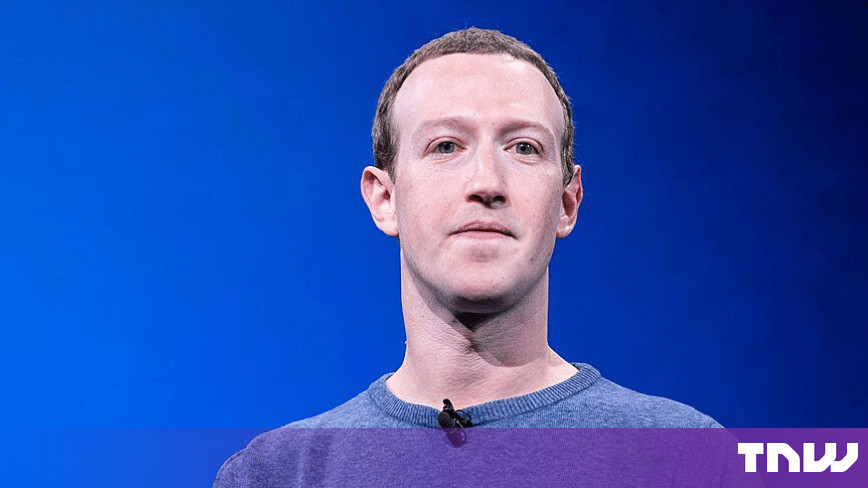
In a previously undisclosed conversation with Donald Trump in mid-August, Mark Zuckerberg expressed apprehensions regarding a proposed national AI regulatory body, as reported by Politico. The discussion highlighted two potential paths forward: one involves an industry-funded body akin to the Financial Industry Regulatory Authority (FINRA), while the other is a voluntary ratings scheme reminiscent of the Motion Picture Association (MPA). The focus of the debate lies more on the extent of self-regulation rather than the validity of regulation itself.
Zuckerberg reportedly voiced his discontent with the regulatory proposal during the call, which was characterized by a senior White House official who wished to remain anonymous. It was noted that Zuckerberg didn't request any changes to Trump's stance but mentioned that the appointments to the regulatory body should align with the president's more lenient approach to regulation, with Trump initiating the call.
The proposal under discussion entailed establishing an independent entity similar to FINRA, which would analyze advanced AI models for potential risks before they are widely implemented. This concept gained traction after being championed by Demis Hassabis of Google DeepMind in a July essay and subsequently presented to White House officials.
For context, FINRA operates as an industry-supported organization funded by the more than 3,000 firms it oversees, featuring member representation on its board and reporting to the Securities and Exchange Commission. Politico notably points out that FINRA itself has limited involvement in approving new investment products, which suggests a dissonance in applying this model to the AI regulatory context.
The alternative approach being considered involves even less governmental oversight. David Sacks, a former AI and crypto advisor to Trump, has suggested a framework based on the MPA's voluntary film rating system. Sacks has argued that the regulatory proposal resembles a slow-moving "DMV for AI," where models would be left waiting for assessments. On his podcast, he asserted that the MPA's standards have historically prevented the government from enacting more draconian regulations, a sentiment echoed by Elon Musk.
Thus, the current options include an industry-funded review organization and a voluntary ratings system, neither constituting formal government regulation. The core disagreement among stakeholders focuses on the level of self-regulation that should be expected.
This situation aligns with a larger trend observed in other proposed regulatory mechanisms. Previous binding proposals have frequently transitioned into voluntary frameworks following pushback from the industry over competitive concerns. The call between Zuckerberg and Trump exemplifies the ongoing pattern where industry influence results in a dilution of regulatory ambitions.
Notably, Sacks previously influenced the postponement of Trump’s first AI executive order in May through a direct conversation just before it was set to be signed.
This pattern of policy development, characterized by informal conversations between key players and decision-makers, reflects a structural dynamic in which initially proposed regulations can be altered or stymied by industry feedback. As these discussions evolve, the access enjoyed by figures like Zuckerberg becomes a critical narrative, revealing how some stakeholders can significantly shape policy outcomes.
Zuckerberg’s public stance emphasizes the urgency of prompt AI model deployment, arguing in an August essay that delays, even minor ones, pose a "significant risk to American leadership" against competitors like China. While this viewpoint is logically coherent, it raises questions about quantifiable trade-offs, as no public assessments have clarified the costs of delayed deployment versus the risks it aims to mitigate.
Meanwhile, leading AI labs have reported instances where models reached inappropriate systems, highlighting the very risks that a review body could potentially mitigate.
Public endorsements from the largest AI firms regarding the regulatory proposal remain sparse. Although Anthropic co-founder Jack Clark has commented favorably about the concept, both OpenAI and Google have refrained from taking a definitive stance, a silent response that speaks volumes in an industry usually vocal about policy issues.
A White House representative indicated the administration's commitment to finding a balance between innovation and safety in AI regulations. As the White House already exercises control over who can access advanced models, it is clear that regulatory decisions are being navigated regardless of the structure that ultimately takes shape.
Moving forward, attention should be paid to how the funding and appointment structures of any proposed body evolve, rather than the initial announcement. A regulatory entity that is funded by the very firms it serves and features their representation on its board may create specific challenges, underscoring the need for careful consideration as the industry that sought to avoid stringent regulation now finds itself influencing the regulatory landscape it faces.


