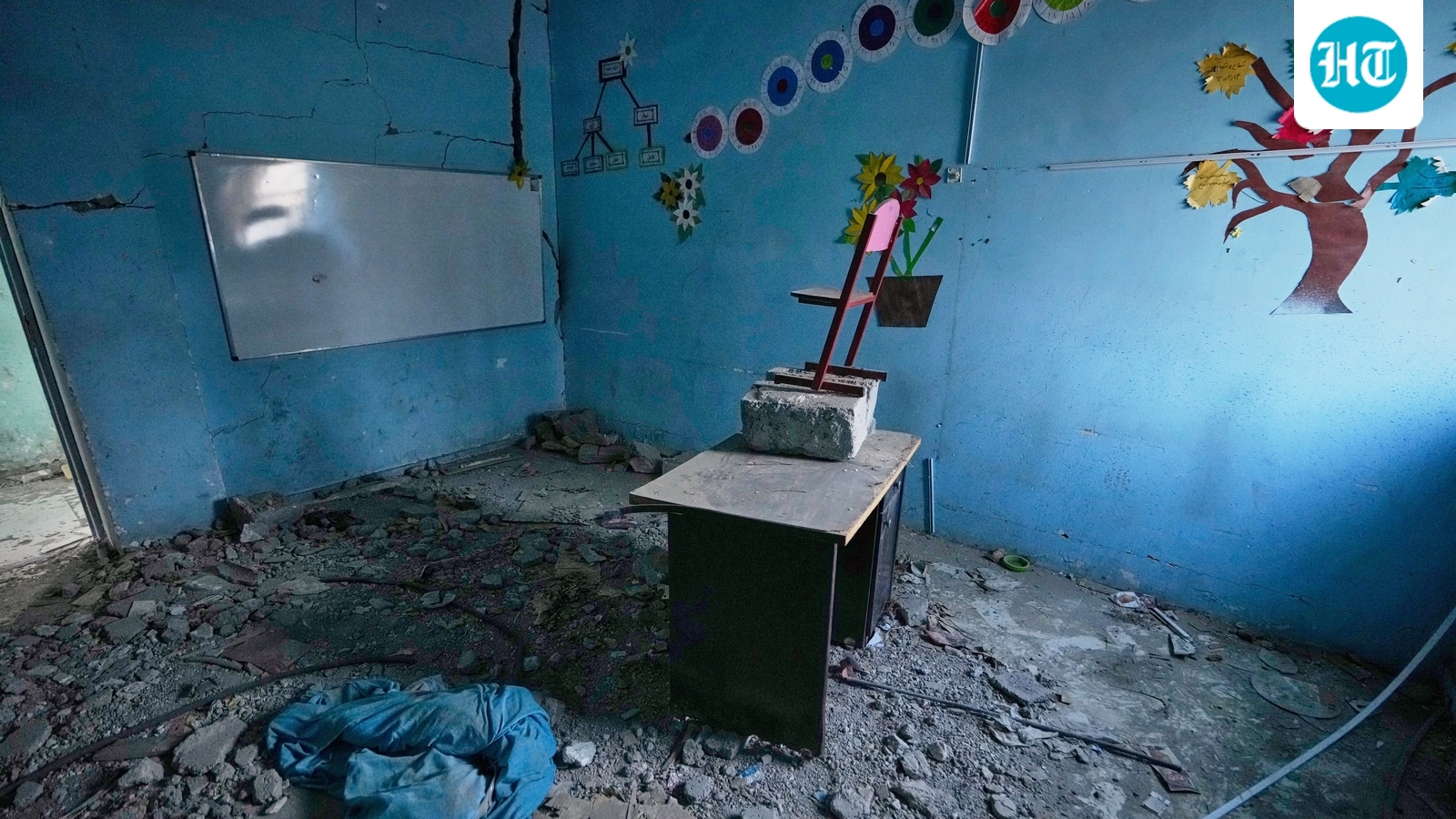
An internal investigation at the Pentagon revealed that the United States heavily depended on artificial intelligence in its targeting decisions leading to a tragic airstrike on an elementary school in Minab, Iran earlier this year. The Shajareh Tayyebeh school, decorated with vibrant artworks, was severely damaged in the U.S. attack on February 28, which resulted in the death of 123 children.
This missile strike marked one of the most devastating episodes of civilian casualties related to U.S. military actions in recent decades. The Pentagon announced that it was conducting an investigation into the incident back in March.
According to a Bloomberg report, the investigation uncovered that two Tomahawk missiles struck the school, and some personnel within the Pentagon recognized the accountability for the strike within hours of its occurrence.
The circumstances leading to the attack on the Minab school can be traced back to directives from the Trump administration, which commanded a rapid and overwhelming air campaign at the onset of tensions with Iran, leaving minimal time to finalize target selections. Within the first 24 hours of the conflict, U.S. forces targeted over a thousand sites.
Moreover, the report noted a reduction in civilian protection staff and a lack of accurate information about the location, which had transitioned from a military installation to a school environment, having been walled off from its previous use.
Dependence on artificial intelligence played a significant role, with certain personnel from U.S. Central Command (CENTCOM) reportedly relying excessively on AI tools, particularly Palantir’s Maven Smart System, which they expected to recognize outdated or unreliable intelligence.
Palantir clarified that it does not handle data deficiencies nor is responsible for the accuracy of intelligence, and stated that their software was not implicated in the errors that led to the strike. In response to the incident, the company developed new solutions to reassess foundational intelligence so that any factors disqualifying a target, along with inconsistencies and inaccuracies, can be better flagged during human evaluations.
Additionally, a fact-finding mission backed by the United Nations asserted that there are substantial grounds to believe the U.S. engaged in war crimes through two airstrikes in February, including the one that targeted the school in Minab. The independent team reported to the UN Human Rights Council in Geneva, stating it had established reasonable grounds indicating the U.S. conducted indiscriminate attacks that resulted in civilian casualties and damage to civilian infrastructure.
Their findings examined both the Tomahawk missile strike on the Shajareh Tayyebeh Elementary School, which killed over 150 individuals, and another strike that released tungsten pellets over a sports complex and residential area in Lamerd, causing 22 fatalities. Although the 18-page report does not carry legal weight, it contributes to a growing array of evidence that may eventually be pivotal in holding accountable for these actions in international courts.


