In the heart of West Portal, the Vibe House SF, also referred to as the “midlife hacker house,” offers a luxurious co-living and work environment targeting seasoned tech entrepreneurs. This expansive, 4,000-square-foot residence is available at a substantial $4 million and showcases beds adorned with organic cotton pillows and unique $140 “grounding” sheets. These silver-threaded linens are said to connect users to the Earth's natural electric energy. The property boasts three bathrooms equipped with bidets, goat-milk soap, and custom showerheads designed to eliminate harmful substances like chlorine and fluoride. The kitchen is stocked with trendy prebiotic sodas and adaptogenic seltzers. Adding to its holistic ambiance, there are remote-controlled frosted quartz singing bowls ready for spontaneous sound baths near the fireplace.
Sahin Boydas, the 44-year-old founder of Vibe House SF and CEO of Lovie—an AI startup described as a "business in a box"—emphasizes the need for an inviting environment to attract high-caliber guests. "If you want to engage a passionate founder, you can't just offer them a Coca-Cola," he remarked. Vibe House targets those in midlife, particularly successful founders who have sold their businesses for substantial sums and now find themselves wanting to explore AI without the overwhelming pressures of their previous work environments.
For Boydas, the rapid acceleration of AI innovation was too compelling to ignore. After selling his payroll startup, RemoteTeam, in 2021 for a life-altering amount, he initially thought he could step back from the workforce. However, he quickly felt he was missing out on vital developments. He left his family in Austin, Texas, to split his time in San Francisco, citing the city’s vibrant entrepreneurial energy as a key motivator for his return.
Traditionally, hacker houses have been dominated by younger tech enthusiasts sharing basic living accommodations in a communal environment. In contrast, Vibe House SF offers a more refined experience, with costs for the four available rooms kept deliberately ambiguous—a "friendly sum," according to Boydas, and each stay limited to two weeks. The space operates events three times a week, centered around a manifesto that promotes both productivity and personal vitality, posing the thought—if building artificial intelligence is meant to enhance humanity, shouldn't we focus on improving ourselves first?
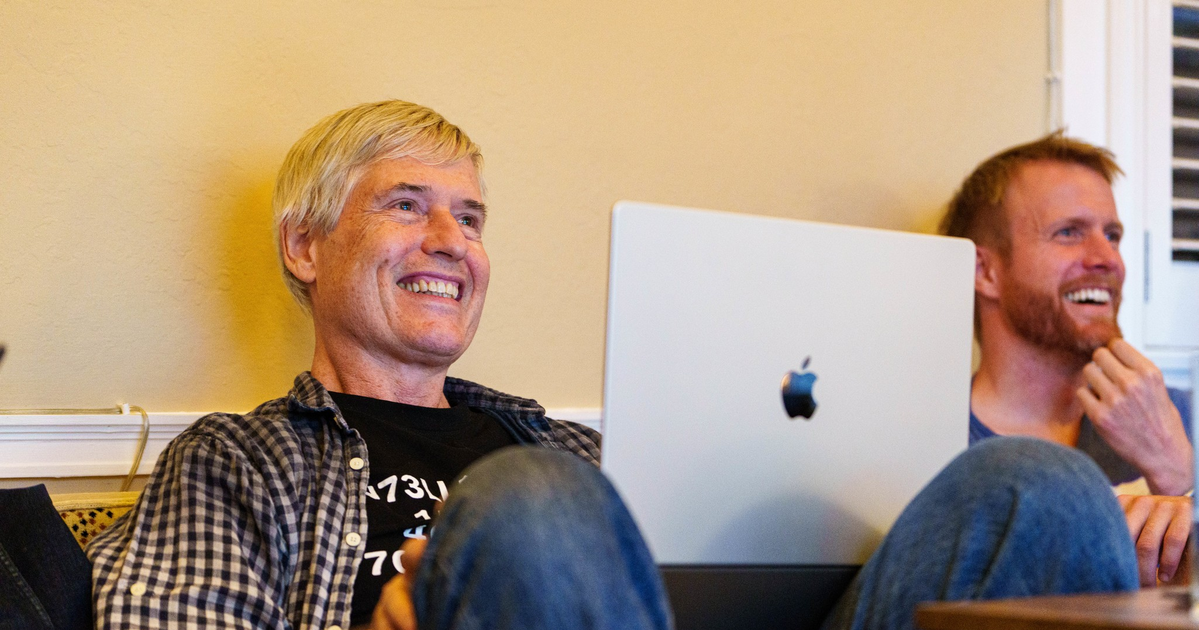
The house attracts a diverse group, including repeat founders in their 40s and 50s, as well as younger generations. At one recent gathering, an older founder beamed with pride watching his 11-year-old son demonstrate video games he'd created using "vibe coding." The lounge area is thoughtfully designed with a mix of bohemian and contemporary aesthetics, featuring cozy cushions and decorative rugs that foster a relaxed, home-like atmosphere. Boydas believes that a comfortable and inviting space leads to deeper conversations and connections amongst its members.
Chip Conley, cofounder of the Modern Elder Academy, a program focused on helping individuals in midlife navigate their careers, observes a palpable anxiety among his clients regarding their relevance and visibility, particularly amidst the ongoing AI boom. Many individuals in this age group feel a strong desire to participate in significant technological advancements rather than watching the industry evolve without them.
According to LK Pryzant, a professional development coach, those who have sold their startups often grapple with their identities post-exit. While financial freedom means they no longer have to work, their inherent entrepreneurial drive and ambition persist. The allure of AI, with its potential for substantial financial return and the means to address vital social concerns, keeps these midlife founders actively engaged in the tech landscape.
Although older entrepreneurs might feel they are arriving late to the AI revolution, studies suggest they have distinct advantages. Research from the National Bureau of Economic Research indicates that the average age of founders of America's fastest-growing companies is 45 years. Furthermore, a 50-year-old entrepreneur has significantly better odds of establishing a successful startup than a 30-year-old. However, challenges remain, particularly around access; only a small percentage of AI engineers hired in 2025 were over 45, although this number improves in senior positions.
Sohrab Haghighat, 45, the CEO of an AI-powered CAD startup, is one example of how experience can inform problem-solving in the creation of new technologies. After transitioning from a rocket launch company, he recognizes the value of his previous experience and the importance of understanding the challenges any new technology seeks to resolve. He also opts to hire older staff who share similar goals and motivations.
As the tech landscape continues to evolve, figures like Boydas and Haghighat highlight how midlife tech entrepreneurs are leveraging AI not just for profit, but as a means to re-engage with their passion for building and creating, all while balancing personal priorities and family commitments in a way that suits their newfound lifestyles. The Vibe House SF stands not only as a workspace but as a community where seasoned founders can thrive amid innovation and creativity.