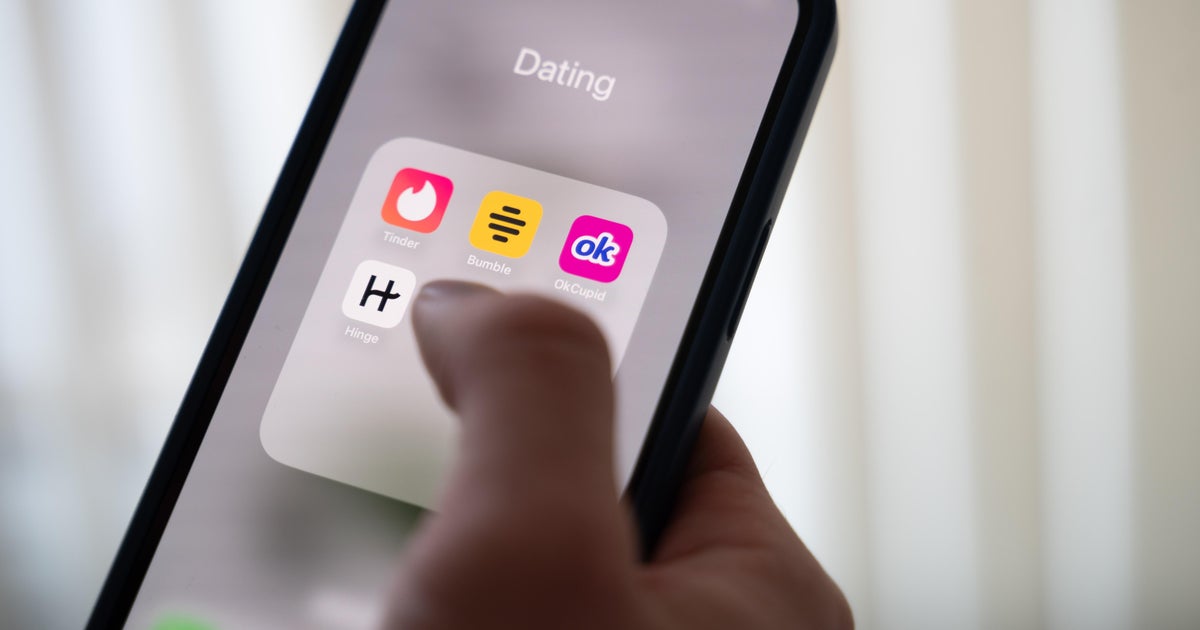
Marissa, a 31-year-old from Boston, turned to dating apps in her quest for love. However, lately, her focus has shifted to finding profiles without AI-enhanced images.
As a marketing professional, she often encounters dating profiles that appear to have undergone digital alterations. These modifications can range from simple edits, like removing someone from a snapshot, to entirely AI-generated images. While browsing Bumble, she spotted a photo of a man in a suit, reportedly engaged in an unusual activity—tiling a bathroom wall—which raised her eyebrows.
"I'm puzzled by the appeal," Marissa commented, opting to keep her last name private.
This sentiment is echoed by numerous women on TikTok, who have also noted the prevalence of AI-generated images of men on dating apps. Their experiences exemplify how artificial intelligence is muddling the line between reality and illusion in the already complicated sphere of online dating, prompting ethical discussions about the extent of personal branding.
Kathryn Coduto, an assistant professor at Boston University who examines dating app behaviors, remarked, "People seek genuine connections and dialogues." She added that AI's intrusion has led users to become more cautious and suspicious of unfamiliar individuals.
While users have traditionally utilized filters and editing tools to enhance their images, the introduction of AI tools allows for the rapid production of high-quality images, sometimes fabricating entire scenes.
"A dater must consider how to capture attention in mere seconds," Coduto explained. "This could mean presenting a slightly more polished version of oneself."
It's worth noting that this trend isn't limited to men, although they appear to engage with AI tools more frequently when optimizing their dating profiles. Coduto pointed out, "Men seem to be more inclined to leverage AI in this space, which isn’t surprising given that women tend to receive more matches and messages, making it more challenging for men to differentiate themselves."
Among those leveraging AI is Lana Li, a dating consultant based in Brooklyn, who describes herself as a "digital stylist." She employs AI technology to assist men in enhancing their dating profile photos, provided these modifications faithfully reflect the individual's true self.
"I can change an outfit or tweak a hairstyle, or even adjust body language if it looks less confident," she explained. Li uses tools like FaceApp to modify expressions subtly, making subjects appear more approachable.
Despite her flexible use of AI, she sets boundaries; for example, when approached to splice a client's head onto a marathon runner's body, she firmly declined. "I told him that I wouldn’t work with someone who doesn’t wish to present themselves accurately,” she said.
Two anonymous men spoke to CBS News about their use of AI in an effort to enhance their online dating photos. They emphasized their intent to remain genuine rather than mislead potential matches.
One 30-year-old tech professional noted how he employed ChatGPT to subtly enhance his image by adding professional attire and smoothing his frizzy hair. "It was a minimal change, so I still looked like myself," he explained, emphasizing his desire not to "catfish" anyone, a common concern even absent AI.
In contrast, another man found himself reconsidering the use of AI after a generated image of him on Hinge created unexpected complications. The 50-something New Yorker used Aragon.ai to produce a striking picture of himself against a Manhattan sunset that garnered significant attention. However, it ultimately led to his ban from the platform, despite his successful appeal to regain his account. Hesitant about this AI-generated image potentially influencing his dating experience, he chose to remove it.
Dating applications have established policies to limit the presence of AI-enhanced images. Hinge, for instance, stresses the need for authenticity, stating that AI-generated elements should not be used to misrepresent oneself.
"If users decide to incorporate generative AI content, it should genuinely reflect their identity and intentions,” Hinge states on its policy page. Hinge employs a combination of automated systems and human reviewers to identify and remove prohibited content.
A representative from Match Group, the parent company of Hinge and Tinder, mentioned that they are closely monitoring advancements in generative AI to meet user demand for authenticity and transparency in online dating.
Similarly, Bumble enforces policies against inauthentic profiles, utilizing a mix of AI detection, human moderation, and user reporting to uphold community guidelines against deceptive image use.
Marissa explained that when she encounters profiles that exhibit indicators of AI manipulation, she opts to move on. "The dating scene is already complex enough; this adds another layer to navigate," she stated. "It leaves me wondering: how much AI is acceptable in this space?"


